TRANSPORT SECURITY: THE MISSING LINK IN NORTH’S FOOD SECURITY CRISIS
By Nenfort C. Gonchen
Northern Nigeria has long been described as the nation’s food basket. From grains in the Northwest to vegetables and tubers across the North Central belt. The region feeds millions. Yet currently, food insecurity is deepening at an alarming rate, not simply because farmers are unwilling to produce or because the soil has failed them, but because foodstuffs can no longer move safely from farms to markets. At the heart of this crisis lies a largely ignored but fundamental factor: transport security.
Food security is often discussed in terms of inputs, such as fertilizer, seeds, and irrigation, or humanitarian relief. These are important. But food security does not end at the farm gate. It is completed only when food reaches the markets, processors, and households at affordable prices. In northern Nigeria, that final and crucial stage is collapsing under the weight of insecurity, poor infrastructure, and weak logistics governance.
Across vast rural corridors, farmers face daily threats from banditry, kidnapping, and violent attacks. Transporters avoid certain routes altogether or charge exorbitant fares to compensate for risk. Middlemen reduce their trips. The result is paradoxical: crops rot in villages while food prices soar in cities.
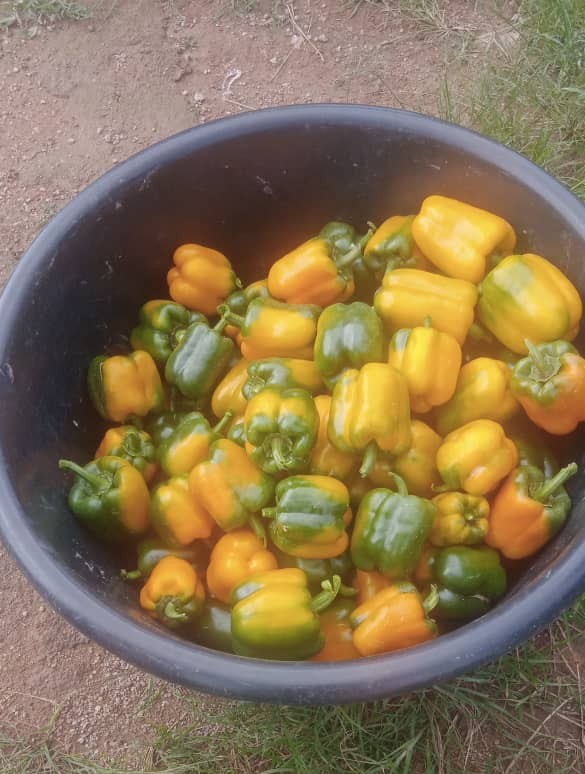
The consequences are severe. Across many farming communities, farmers now harvest less than they plant, not because yields are low but because moving the produce is dangerous. Some abandoned farms early to avoid attacks. Others sell at giveaway prices to local buyers who exploit their isolation. For perishable goods like tomatoes, onions, pepper, fruits, and vegetables, delays caused by insecurity and poor roads translate directly into post-harvest losses. What is not lost to violence is often lost to spoilage.
Transport insecurity has quietly become one of the strongest drivers of hunger and inflation in Nigeria.
When a truckload of maize or rice is attacked or seized on the highway, it is not just a crime against the transporter; it is a blow to the national food supply. When rural roads become death traps, markets fragment. Food no longer flows from surplus zones to deficit areas. Traders hoard, prices spike, and the poorest households bear the brunt.
This explains why food inflation remains stubbornly high, even in seasons of reasonable harvests. It also explains why emergency food aid, though necessary, can not solve the problem on its own. Aid may fill short-term gaps, but it does not restore the broken arteries of the food system.
The real panacea lies in securing food transport corridors.
Transport security must be treated as a core pillar of food security policy. This means deliberately protecting the movement of food, people, produce, and inputs along critical rural and interstate routes. Just as governments protect oil pipelines because of their economic importance, food corridors deserve the same strategic attention.
In the short term, this can be achieved through coordinated security presence on key harvest routes, especially during peak seasons. Escorted convoys, rapid-response patrols, and real-time communication between farmers, transporters, and security agencies can significantly reduce risk. Community-based early warning systems, properly regulated and supervised, can also play a vital role, as locals understand terrain and threat patterns better than anyone.
Equally important is the establishment of secure aggregation hubs close to farming communities. When farmers can move produce to nearby protected collection points, food can be transported in bulk under safer conditions. This reduces the need for multiple risky trips and lowers overall transport costs.
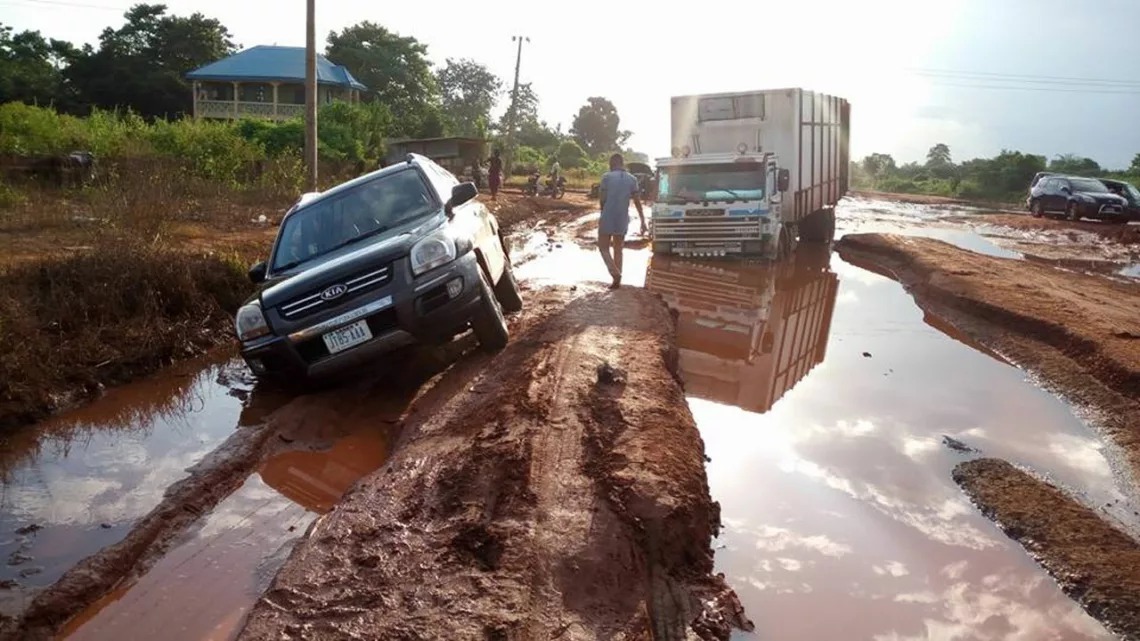
But security alone is not enough. Poor infrastructure amplifies insecurity. Bad roads slow vehicles, expose them to ambush, and increase vehicle breakdowns. Targeted rural road rehabilitation focused not on political symbolism but on food-flow efficiency can yield outsized benefits. Fixing a few strategic links that connect producing areas to major markets can stabilize supply chains far more effectively than scattered projects.
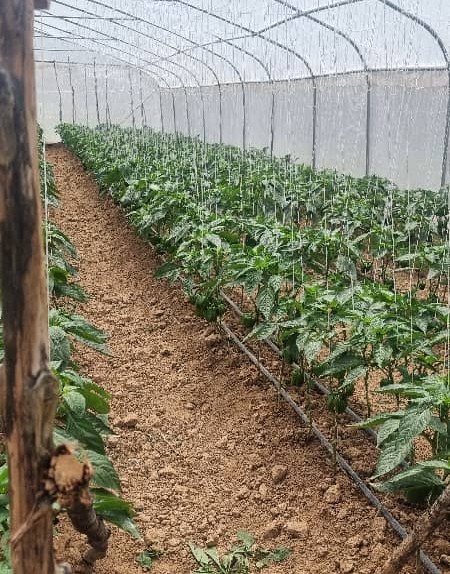
In the medium term, public-private partnerships are essential. Transporters should not be left to shoulder all the risk. Insurance schemes, fuel subsidies for secured routes, and incentives for logistics firms to invest in refrigerated trucks and storage facilities can encourage safer and more efficient movement of food. Cold-chain infrastructure at rural hubs can dramatically reduce post-harvest losses and give farmers flexibility on when and where to sell.
Over the long term, transport security must be embedded within a broader rural development and governance framework. Persistent insecurity is rooted in poverty, youth unemployment, land-use conflicts, and weak justice systems.
Addressing these drivers is critical to sustaining any gains. Formal regulation of rural transport markets, licensing, route monitoring, and strict enforcement against extortion will also help restore confidence and predictability.
Importantly, all transport security interventions must respect human rights and be conflict-sensitive. Heavy-handed approaches that alienate communities can worsen tensions and undermine trust. Transparency, oversight, and community participation are non-negotiable.
If implemented effectively, the benefits are transformative. Secure transport corridors reduce post-harvest losses, stabilize food prices, and increase farmers’ incomes. Markets reconnect. Traders return. Urban consumers pay less. Farmers regain the confidence to plant and expand production. In effect, transport security restores the incentive structure that makes agriculture viable.
Nigeria does not lack farmers. It lacks a safe passage for their produce.
As the nation grapples with rising hunger, inflation, and social tension, policymakers must look beyond emergency responses and address the structural bottlenecks strangling the food system. Securing how food moves is just as important as securing how it is grown.
Transport security is not a peripheral issue. It is the missing link between the farm and the table. Until northern Nigerian farmers can move their harvests without fear, food security will remain an illusion, no matter how much we plant or how much aid we distribute.
The road to food security, quite literally, begins with securing the road.

 20
20









Post Comment