Poverty: Looking Beyond What the Eyes Can See
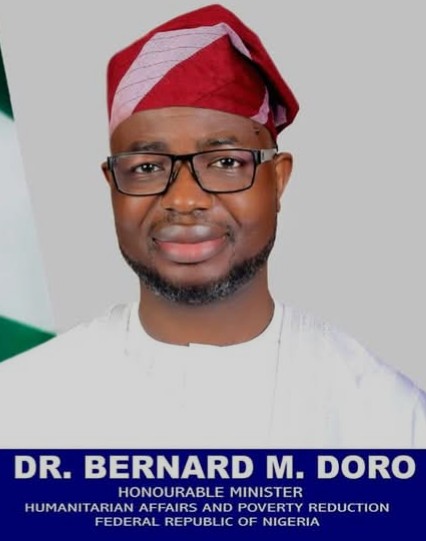
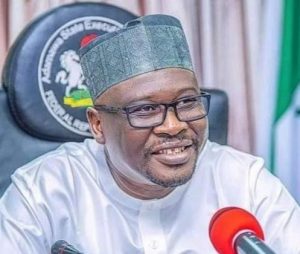
Dr. Bernard M. Doro
The word poverty is often used casually, without sufficient reflection on what it truly represents.
A good place to begin solving any problem is to ask the right question.
So, what is poverty?
Poverty is a complex human condition—multidimensional in nature. It is frequently reduced to the absence of money or basic necessities and quickly labelled as such.
Yet, what most people encounter are merely the visible symptoms of poverty, not poverty itself.
The lack of food, shelter, clean water, clothing, healthcare, or education are outcomes of poverty, but they are not its definition. Poverty expresses itself in deeper and often invisible ways: poverty of skills, poverty of ideas, poverty of values, poverty of opportunity, and poverty of relationships.
Let us reflect briefly on the poverty of relationships.
When one studies successful individuals, resilient communities, and thriving institutions, a consistent pattern emerges: strong, trust-based relationships. This is why organisations invest heavily in people management and human relations systems. Progress depends on collaboration, trust, and mutual support.
On a personal level, the inability to build or sustain meaningful relationships often leads to stagnation. No one rises to lasting significance alone. The social, economic, or moral advancement of humans is rarely a solo journey.
From a Christian perspective, Scripture repeatedly affirms the power of relationships and the importance of character. The Bible teaches that “two are better than one,” because mutual support strengthens resilience. A powerful illustration is the story of Jabez. Though often remembered for his prayer, the deeper lesson lies in identity and character. His name —associated with pain— placed a negative social label upon him. Yet, Jabez refused to be defined by that label.
Through character, discipline, and honourable living, he altered how society related to him. His transformation reminds us that character shapes relationships, and relationships, in turn, shape outcomes.
From an Islamic perspective, the same truth is deeply rooted. Islam places immense value on akhlaq (character), ummah (community), and silat-ar-rahim (maintaining relationships). The Prophet Muhammad (peace be upon him) taught that strong character elevates a person’s standing before both God and society.
In Islamic thought, poverty is not only material deprivation but also a breakdown of social responsibility; when trust erodes, compassion weakens, and communal bonds collapse. Zakat, sadaqah, and waqf systems exist precisely to prevent relational and structural poverty by strengthening social ties and shared responsibility.
Across both faiths, and indeed, beyond religion, the message is consistent: when character is weak, relationships fracture; when relationships fracture, support systems collapse; and when support systems collapse, deprivation deepens.
This brings us to the heart of this reflection.
To truly escape the grip of poverty, we must look beyond money alone. Sustainable poverty reduction requires investment in character, skills, ideas, opportunities, and healthy relationships.
When these foundations are strengthened, the visible manifestations of poverty gradually lose their hold.
What many people describe as poverty is often its aftermath. The real work of poverty reduction begins much deeper, within people, systems, values, and communities.
Dr Doro is the current Minister of Humanitarian Affairs and Poverty Reduction

 20
20




Post Comment