ELECTORAL ACT AMENDMENTS: INDIRECT PRIMARIES AND THE RETURN OF POWER TO THE PEOPLE
By Nenfort Clifford Gonchen
Nigeria’s democracy has long wrestled with a fundamental question: who truly chooses our leaders, the people or a privileged few? For years, the indirect primary system, popularly known as the delegate system, concentrated enormous political power in the hands of a limited number of party insiders. While constitutionally permissible under the Electoral Act 2022, the practice often leaves ordinary party members as spectators in the most crucial stage of democratic competition, the candidate selection.
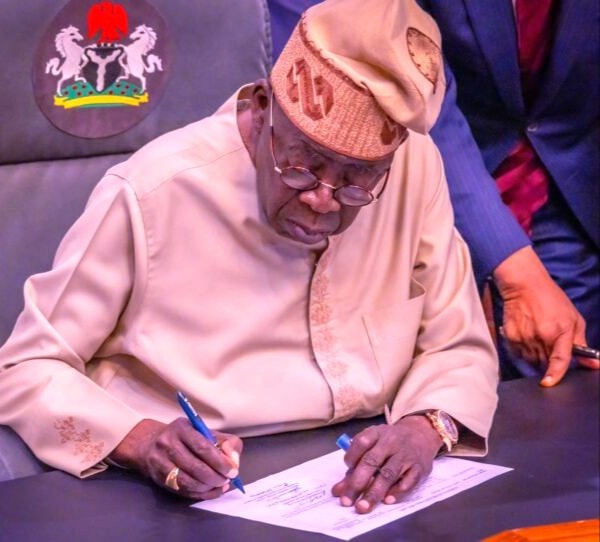
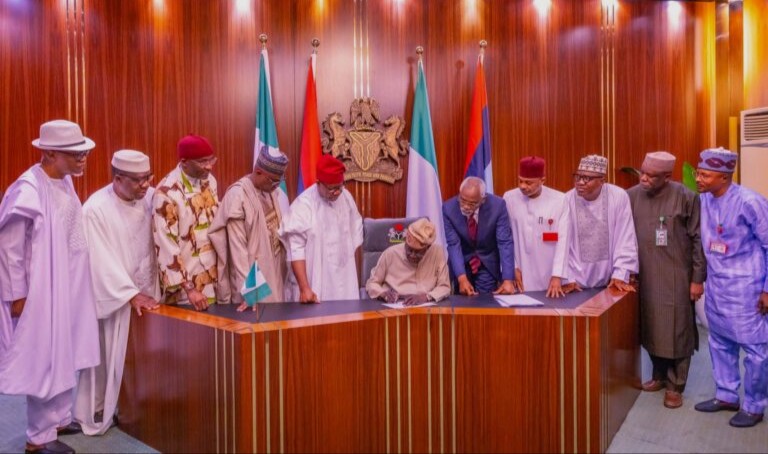
Following the recent amendments to the nation’s electoral framework, and has been signed into law by President Bola Ahmed Tinubu, the abolition of indirect primaries marks a turning point. It is not just a procedural adjustment; it is a philosophical shift, one that seeks to return power to the grassroots.
The Problem with Delegates.
Under indirect primaries, party candidates were chosen by selected delegates at congresses and conventions. In theory, delegates represented broader party interests. In practice, however, the system often reduced democratic participation to negotiations among political elites.
A handful of individuals, sometimes fewer than a thousand, in nationwide contests determined who would fly party flags in gubernatorial, legislative, or presidential elections.
This structure created fertile ground for manipulation, financial inducement, and political godfatherism. Aspirants focused less on persuading ordinary members and more on courting influential delegates.
The result? Party members frequently felt disconnected from the candidates imposed upon them.
Direct Primaries: Democracy at the Base
The removal of indirect primaries repositions direct participation at the centre of party politics. Direct primaries require that all registered party members vote to select their preferred aspirants. This reform expands the democratic space and restores political agency to the grassroots.
For the first time in a long while, party membership carries real electoral weight. A ward-level member in Gombe, Jos, or Yenagoa is no longer merely a mobilizer during general elections but an active participant in shaping who emerges as a candidate.
This is how democracy deepens not only at the ballot box during general elections, but within the internal mechanisms of political parties.
A Blow Against Elite Capture
Nigeria’s democratic journey has often been undermined not by lack of elections, but by weak internal party democracy. When candidate selection is monopolized by elites, the broader electorate is left with limited choices in the general election.
By eliminating the delegate system, the new law challenges entrenched structures of political gatekeeping. It disrupts transactional politics and compels aspirants to build wider acceptance among ordinary members. Campaigns must now travel beyond hotel lobbies and convention grounds into wards and communities.
In essence, the reform shifts the centre of gravity from political boardrooms to the grassroots.
The Test of Implementation
Of course, legislation alone does not guarantee democratic transformation. Direct primaries will require credible membership registers, transparent processes, and firm oversight by the Independent National Electoral Commission (INEC). Political parties must resist the temptation to manipulate membership lists or impose consensus arrangements disguised as unity.
The cost and logistics of organizing nationwide direct primaries will also test party structures. Yet democracy is not meant to be convenient; it is meant to be participatory.
Defining Moment Ahead of 2027
As Nigeria prepares for the 2027 general elections, this reform could reshape political culture in profound ways. It signals that democracy does not begin on election day; it begins at nomination.
If faithfully implemented, the abolition of indirect primaries could mark the beginning of a more inclusive political era, where candidacy is earned through broad support rather than secured through narrow alliances.
Ultimately, returning power to the people is not a slogan; it is a structural decision. By dismantling the delegate system, Nigeria has taken a step toward aligning its political processes with the true spirit of representative democracy.
The responsibility now lies with parties, institutions, and citizens to ensure that this promise of grassroots empowerment becomes a reality.

 20
20









Post Comment