UN Special Rapporteur on FoRB Cautions Nigeria Faces “Multi-Layered” Security Crisis, Demands End to Religious Profiling
Our Correspondent
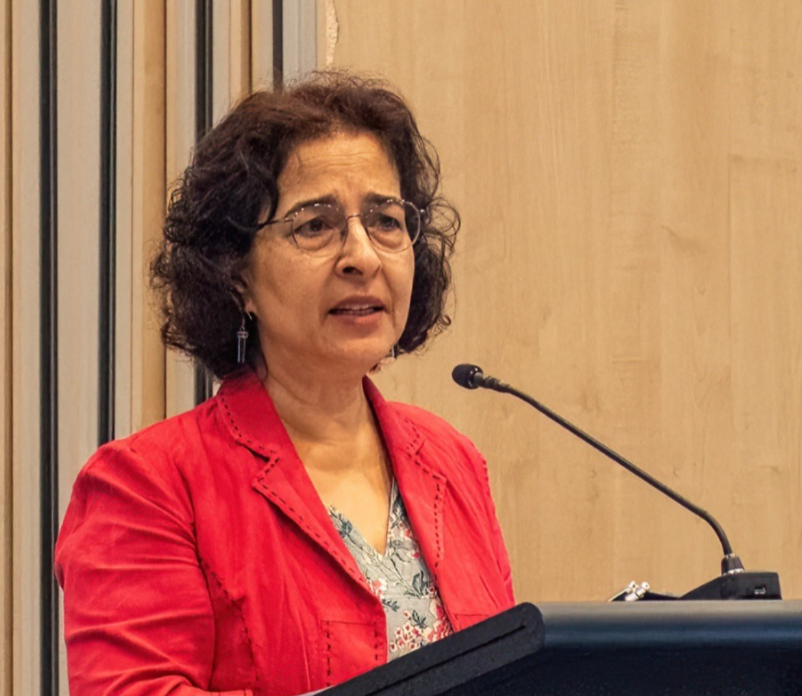
The UN Special Rapporteur on freedom of religion or belief, Nazila Ghanea, has concluded a 12-day official visit to Nigeria with a warning that widespread insecurity, violence and impunity are severely threatening freedom of thought, conscience and religion across the country.
In her preliminary observation issued Friday in Abuja, Ghanea disclosed that her visit from June 8-19, 2026, took her to Abuja, Jos in Plateau State and Kano in Kano State, where she met over 200 interlocutors, including federal and state officials, Supreme Court justices, security agencies, civil society, faith leaders and victims of violence.
The UN Special Rapporteur described Nigeria as a “multi everything country” with 240 million people, 371 ethnic groups and rich pluralism.
She, however, observed that public narratives and policies are often “reductive and polarising,” reducing freedom of religion to a simplistic “Muslim north vs Christian south” block account.
“Nobody should be compelled to declare their religion or belief,” she stressed, citing international law and Nigeria’s Constitution Section 38.
Ghanea noted that religious fields remain in many administrative forms for jobs, university admission, scholarships and public-school enrolment, pressuring citizens to declare affiliation despite being discouraged.
The Rapporteur said discussions on freedom of religion “almost exclusively gave rise to acute concern regarding widespread insecurity.”
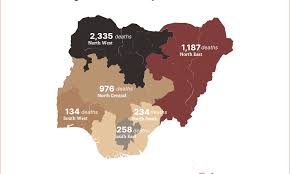
She cited terrorist actions, banditry, land grabbing, mass displacement, kidnapping, arson, destruction of holy places and schools, and attacks on villages and farmlands spreading beyond the Northwest and North Central to many parts of Nigeria, largely outside urban areas.
“Impunity and lack of accountability have reportedly entrenched these cycles of fear and violence,” Ghanea stated.
In contexts reported to her, affected communities were predominantly Christian, she said mass atrocities are described by victims as “persecution” or “genocide” when “everything in one’s world has been reduced to dust, when religious leaders have been killed and places of worship destroyed.”
Ghanea added that attacks on schools and hostage-taking of children occur repeatedly across many states, with prevention rare and that Priests, senior generals and politicians’ families have also been targeted for ransom.
The Rapporteur highlighted tensions from parallel legal systems, especially criminal laws introduced in northern states in the early 2000s on blasphemy and personal status matters, creates “departures from fundamental rights guaranteed in the Constitution,” including Section 10, which bars adopting any religion as the state religion.
Ghanea added, “systematic discrimination faced by Christians throughout the north” and “a narrower bandwidth of rights for Muslims in the south,” according to numerous stakeholders.
Ghanea applauded efforts by federal authorities to step up court cases and commended state initiatives like Plateau’s Peacebuilding Agency and community police committees.
She also noted planned programs, including the National Livestock Transformation Plan and the proposed Forest Guards Initiative.
She solicited continued cooperation from Nigerian authorities and said her full report with observations and recommendations will be submitted to the UN Human Rights Council in March 2027.
“I do not reframe the voices of persons on the ground giving expression to their own reality,” she said.
“As one interlocutor pleaded, ‘we need a humanity first perspective.”
Ghanea expressed gratitude to the Federal Ministry of Justice, Plateau and Kano State authorities, the National Human Rights Commission and civil society for their engagement during the visit.

 20
20



Post Comment