Judgment Without Justice: Togo Ignores ECOWAS Ruling
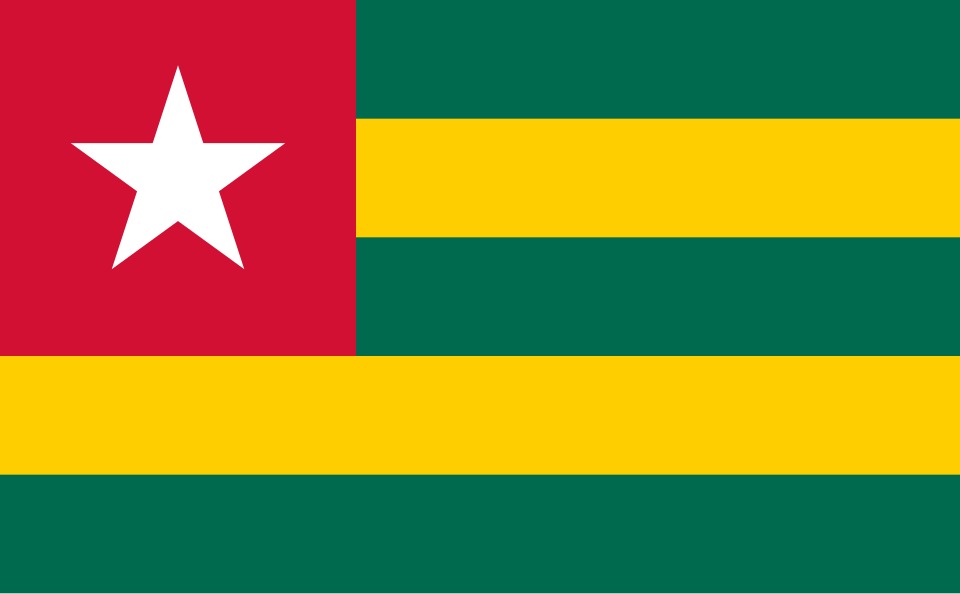
Abuja – The ECOWAS Community Court of Justice delivered a judgment on January 29, 2026, concerning Togo’s constitutional reform of March 2024, in case ECW/CCJ/APP/15/24.
The judgment, referenced as ECW/CCJ/JUD/01/26, was delivered by Justices Ricardo Cláudio Monteiro Gonçalves, Sengu Mohamed Koroma, and Gberi-Bè Ouattara. It was made public in late June 2026.
The case was filed on April 18, 2024, by the Ligue Togolaise des Droits de l’Homme and 12 other applicants, including political associations, following the adoption of the amendment by Togo’s National Assembly on March 25, 2024.
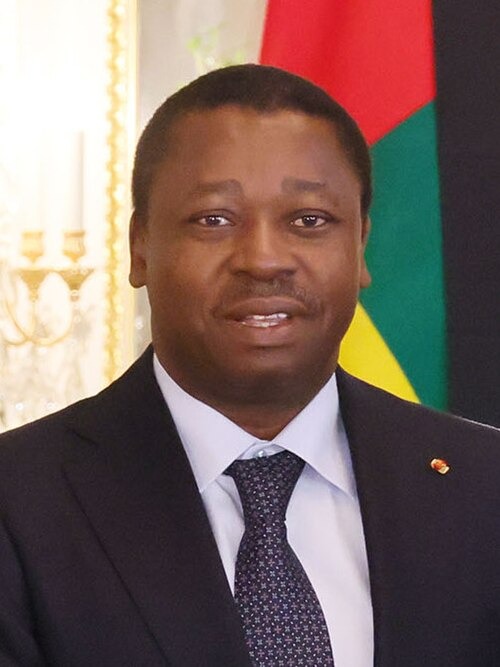
According to the judgment, the Court examined the timing, content and intended effects of the reform.
It noted, among other considerations, that the National Assembly that voted on the text had seen its mandate expire on December 31, 2023, according to the applicants, that the amendment was adopted ahead of legislative elections held on April 29, 2024, and that it created a new post of President of the Council of Ministers, chosen as leader of the parliamentary majority.
The Court referred to Article 23(5) of the African Charter on Democracy, Elections and Governance, and stated that constitutional amendments should not undermine principles of democratic change of government.
It ordered that future constitutional reforms should comply with regional democratic and governance standards.
Faure Gnassingbé, who has been in office since 2005, currently holds the post of President of the Council of Ministers. He was sworn in on May 3, 2025, following the promulgation of the new Constitution on May 6, 2024.
The Court did not annul the Constitution promulgated on May 6, 2024, did not impose sanctions, and did not award damages.
It also dismissed the claim relating to violation of the right to take part in public affairs.
The Court further held that claims brought under the ECOWAS Protocol A/SP1/12/01 on Democracy and Good Governance of 2001 were inadmissible as brought by private parties, finding that only member states or the President of the ECOWAS Commission have standing under that Protocol.
Togo did not file a defence in the case, according to the judgment, which records that the case was heard after proper service.
Since the publication of the judgment, different interpretations have been offered by various actors in Togo.
Government-aligned media have reported that the reform remains in force.
The Alliance Nationale pour le Changement has described the ruling as a significant rebuke.
Under Article 15(4) of the Revised ECOWAS Treaty and Article 24 of the 2005 Supplementary Protocol on the Court, judgments of the Court are binding on member states.
A former Chief Registrar of the Court has previously reported low levels of compliance with decisions generally.
As of early November 2026, there has been no public announcement by ECOWAS on enforcement measures relating to this judgment, and no public announcement by Togolese authorities on steps taken in response.
The case has drawn attention in the region, with references to it made in a resolution tabled in the French National Assembly on August 27, 2026, and at a civil society press conference in Lomé on September 3.
Under ECOWAS instruments, any further action under the Democracy Protocol or consideration of sanctions under Article 45 of that Protocol and Article 77 of the Revised Treaty would be a matter for the Authority of Heads of State and Government.

 20











Post Comment