When We Remember: Bingham Varsity Opens 7th Convocation with Thanksgiving
Our Correspondent
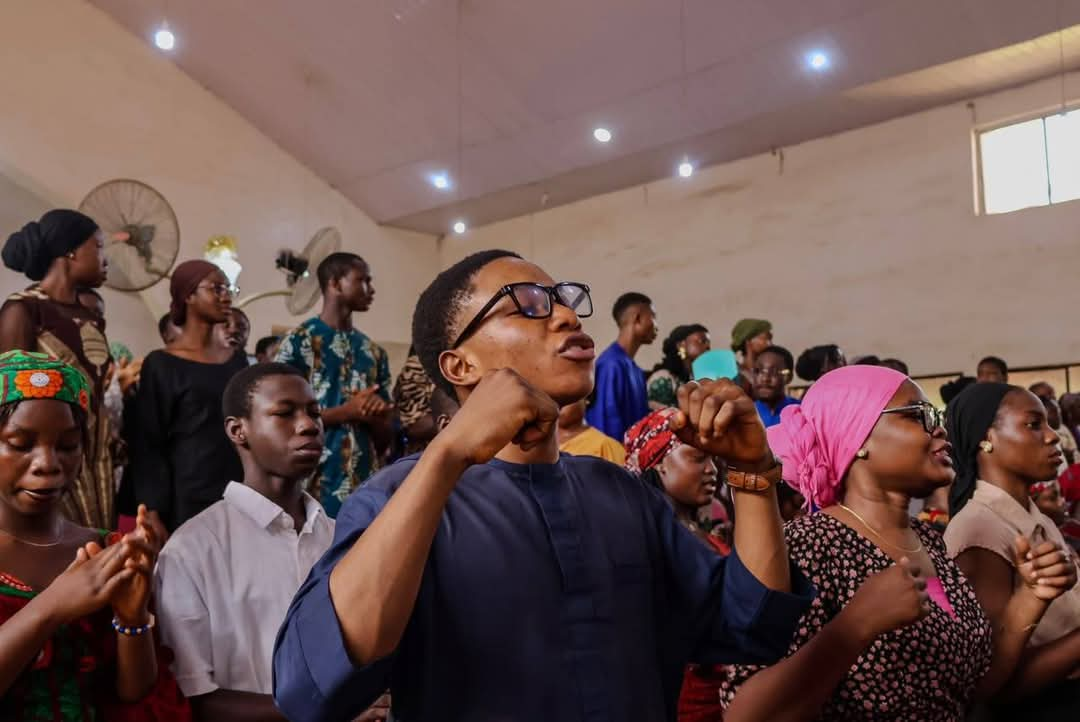
Bingham University began its 7th Convocation not with gowns and certificates, but on its knees in thanksgiving.
On Sunday morning, inside the quiet walls of the University Chapel in Karu, Bingham University chose a different way to begin its 7th Convocation: on its knees, in thanksgiving.
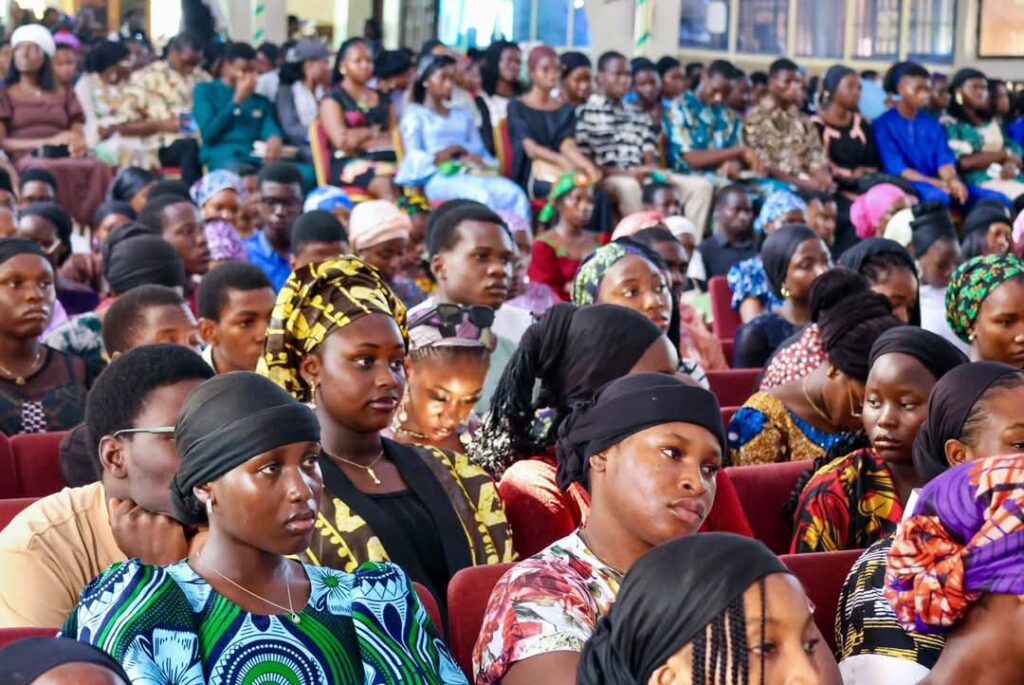
Parents held the hands of their children as graduands, who had waited four, five, sometimes six years for this moment, sat side by side with the lecturers who marked their scripts.
Management, staff and students filled the chapel, not to celebrate a ceremony, but to remember a journey.
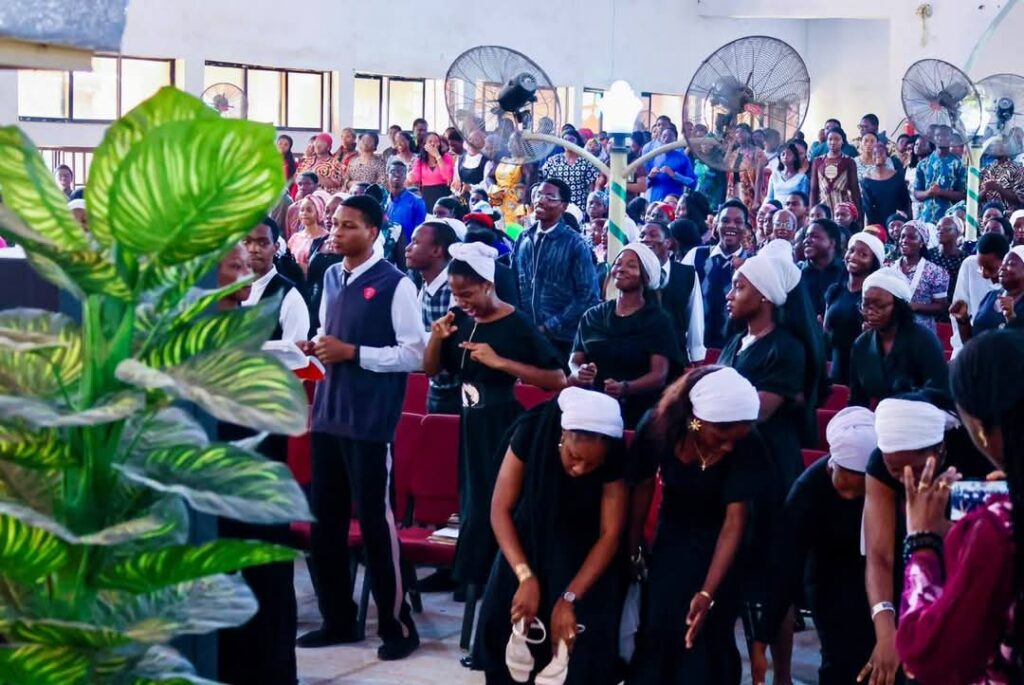
For many in the hall, the journey had not been easy. There were semesters interrupted by hardship, nights of reading by torchlight, fees paid through sacrifice, results awaited with anxiety, and prayers whispered before examinations.
For some parents, it was the fulfilment of a dream they had carried since their children were in primary school.
For the graduands, it was proof that they had survived. That was the mood that framed the Thanksgiving Service, which formally opened the convocation activities.
When the Vice-Chancellor, Professor Haruna Kuje Ayuba, rose to speak, he did not speak like a man unveiling a programme.
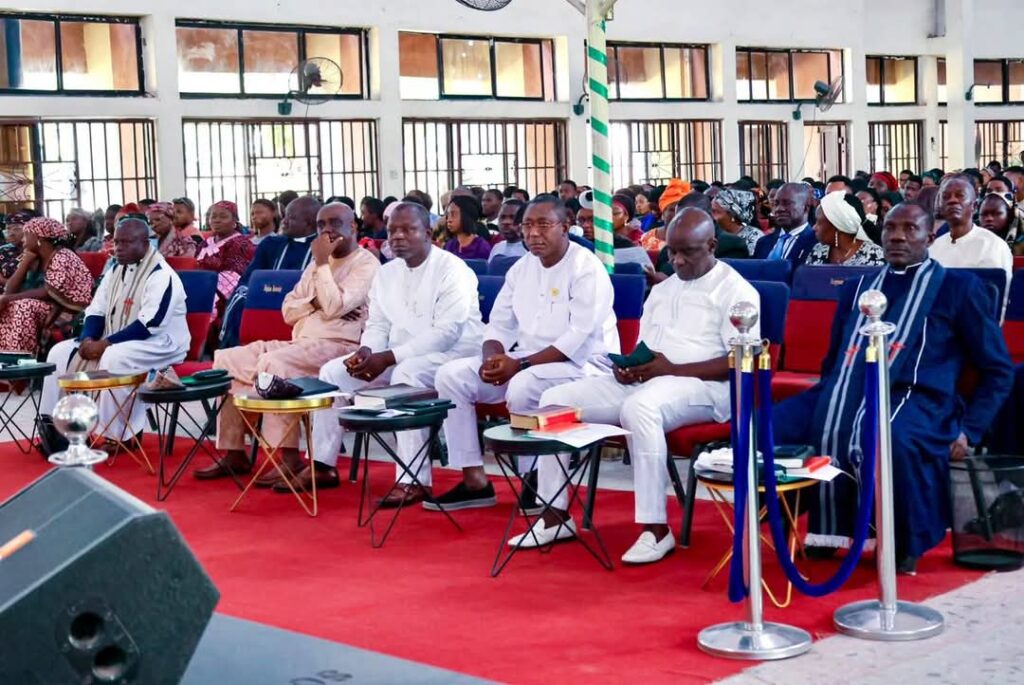
He spoke like a father counting his blessings. He described the service as a moment to appreciate God’s grace, protection and guidance, and to celebrate both the graduands and the continued growth of the University.
But he was quick to share the credit. The success being celebrated, he said, was not the work of one office. It was the product of collective responsibility, lecturers who taught, staff who supported students, officers who prepared results on time, and the Senate that approved them.
He singled out the University Chaplain, other chaplains and the entire Chaplaincy for their quiet but steady work in shaping the spiritual life of the University.
“In a world where certificates are celebrated more than character,” he said, “their ministry continues to reinforce service, integrity, compassion and responsibility.”
And then, he turned to the parents who trusted: “Thank you for entrusting your children to us,” Professor Ayuba told the parents and guardians.
It was a simple sentence, but it carried weight. In a country where parents agonise over where to send their children, and where stories of insecurity and disappointment in higher institutions dominate conversations, entrusting a child to a university is an act of faith.
He acknowledged their partnership and their sacrifice, and made a gentle appeal: when concerns arise, seek clarification through the appropriate University channels, rather than relying solely on information received from their children, so that issues can be addressed accurately and constructively.
He assured the community that Management remains committed to providing an enabling environment for teaching and learning, improving staff and student welfare, and strengthening the conditions for academic excellence.
If the Vice-Chancellor set the tone, the preacher gave it meaning. Dr. Sabastine Abu, Director of the University’s Centre for Entrepreneurship, Innovation and Leadership Studies, mounted the pulpit with a message titled: “When We Remember! The Essence of Thanksgiving: A Lifestyle of Praise and Worship.”
His text was 1 Thessalonians 5:16-18: “Rejoice always, pray continually, give thanks in all circumstances.”
Thanksgiving, Dr. Abu said, is not a seasonal event. It is not what we do only when results are good, when fees are paid, or when graduation is in sight. It must become a lifestyle.
True thanksgiving, he explained, is recognising God as the source of life, grace, wisdom, opportunities, protection and every good gift. It is easy to thank God in celebration, he said, but the real test is to remain thankful in difficulty, disappointment and uncertainty.
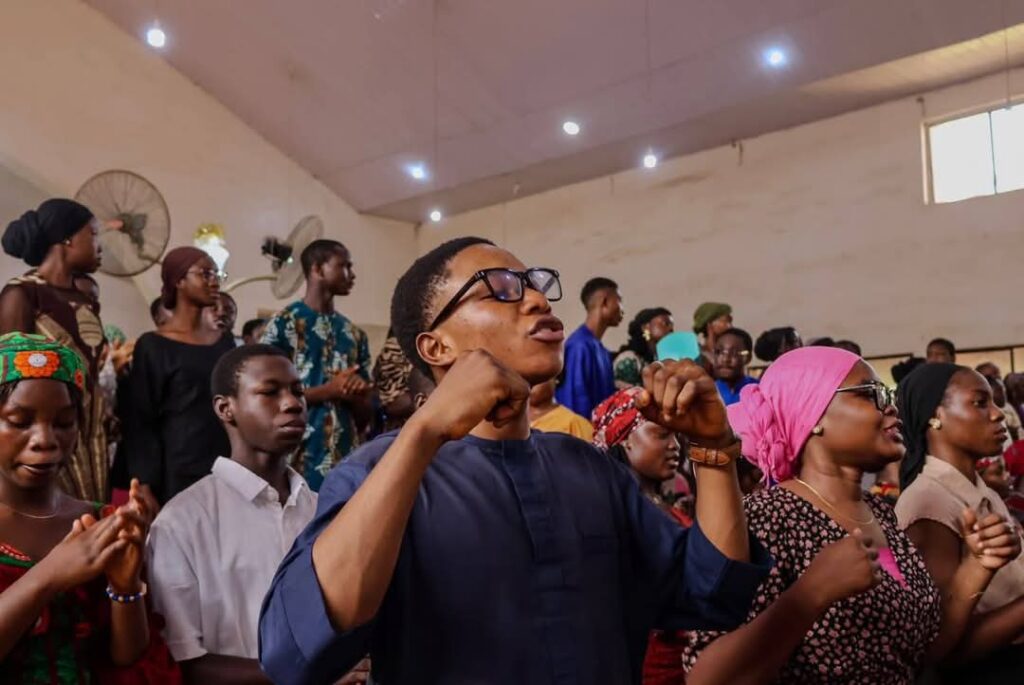
Dr. Abu broke thanksgiving into seven dimensions that kept the congregation listening: that it is a command, not an option; a sacrifice, not a mere sentiment; a pathway to wholeness; a means of remembering God’s goodness; a virtue that promotes humility; a shift from complaining to worship; and an avenue for recognising God’s provision and deepening one’s relationship with Him.
To drive the point home, he turned to the familiar story of the ten lepers in Luke 17:12–19. “Ten men were healed; only one returned to say thank you. It is possible to receive a blessing and miss the Blesser. Do not be among the nine who walked away,” Dr. Abu warned.
His message was a direct challenge to the graduands, as many of them, he knew, would soon face a world that does not celebrate them the way the University does.
“Jobs may delay, plans may fail, and dreams may be tested. Remain thankful even then,” he urged.
In his closing charge, Dr. Abu reminded the graduands that the world does not only need skilled professionals and brilliant minds. It needs people of character, grateful people, humble people, people who serve. That, he said, is the essence of Bingham University’s motto: “Character and Learning.”
Learning without character, he implied, may open doors, but it is character that keeps them open.
As the Thanksgiving Service ended and families embraced, took photographs and wiped tears of joy, the message lingered. The convocation had not yet begun in form, but it had already begun in spirit with remembrance.
For Bingham University, the 7th Convocation is not just a celebration of academic completion. It is a testimony that through grace, sacrifice, hard work and gratitude, a new generation is ready to go out. And as Dr. Abu put it, when we remember, we give thanks.

 20










Post Comment