CAN at 50: Turaki Calls for End to Church Rivalry, Says Unity Is Greatest Witness in Multi-Religious Nigeria
Our Correspondent
Renowned theologian, Prof. Yusufu Turaki, has urged Nigerian churches to move from rivalry to partnership, saying the credibility of the Gospel in a multi-religious nation depends on unity.
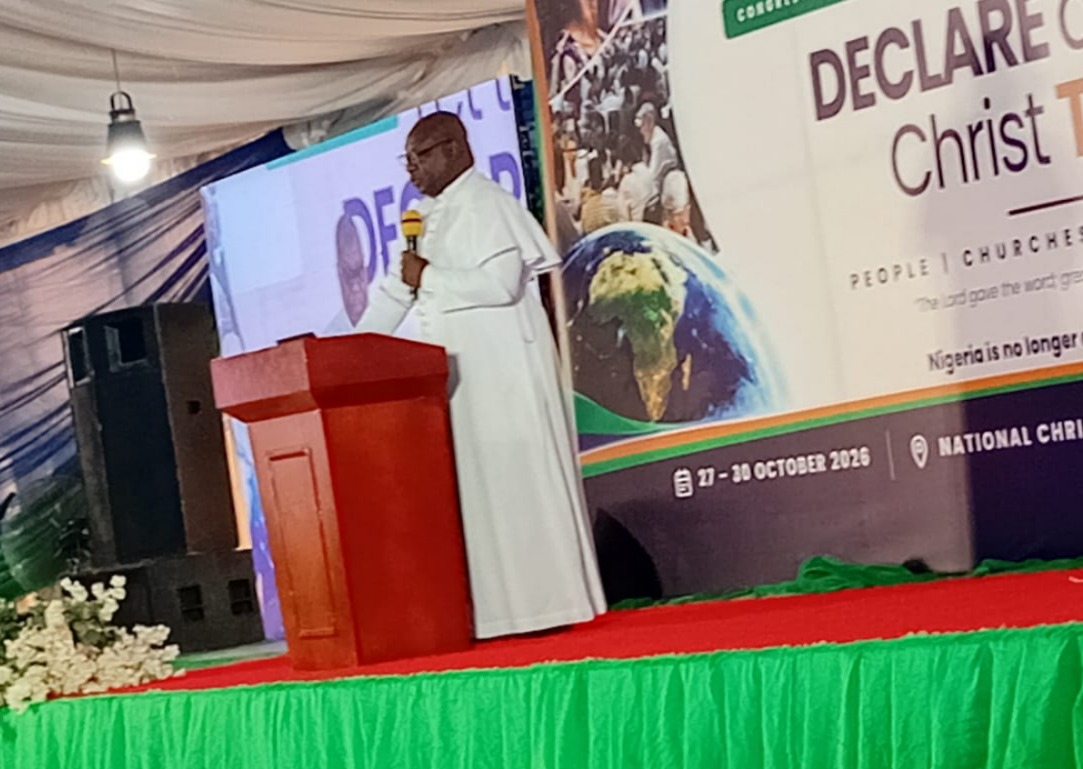
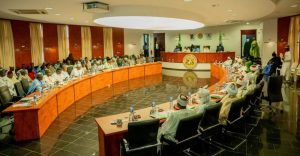
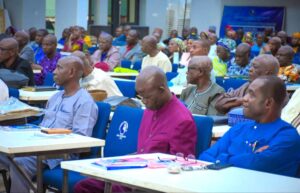
Prof. Turaki made the call recently in Abuja, while presenting a jubilee paper titled Ecumenical Witness in a Multi-Religious Nation to CAN leadership.
He said ecumenical witness does not mean surrendering doctrine, but living out the principle of unity in essentials, liberty in non-essentials, and charity in all things.
CAN was formed on August 27, 1976, in Lagos, after Christian leaders gathered at the advice of then Head of State, Gen. Olusegun Obasanjo, and declared, “Never again shall we speak in 20 voices.”
Turaki, Professor of Theology and Social Ethics at Jos ECWA Theological Seminary and Bingham University, said Nigeria, with over 200 million people and about 400 ethnic groups, remains deeply multi-religious, where Christians, Muslims and traditionalists live side by side.
He said common problems facing the nation, insecurity, insurgency, banditry, poverty, corruption and moral decay cannot be handled by any single denomination alone.
Drawing from John 17:21, Ephesians 4:3-6 and Acts 2:42-47, Turaki said Jesus prayed for unity as proof of His mission, stressing that unity itself is a missionary mandate.
“If Jesus is Lord, why are His people so divided? In a multi-religious nation-state, our unity is our greatest apologetic,” he said.
Turaki defined three understandings of church unity.
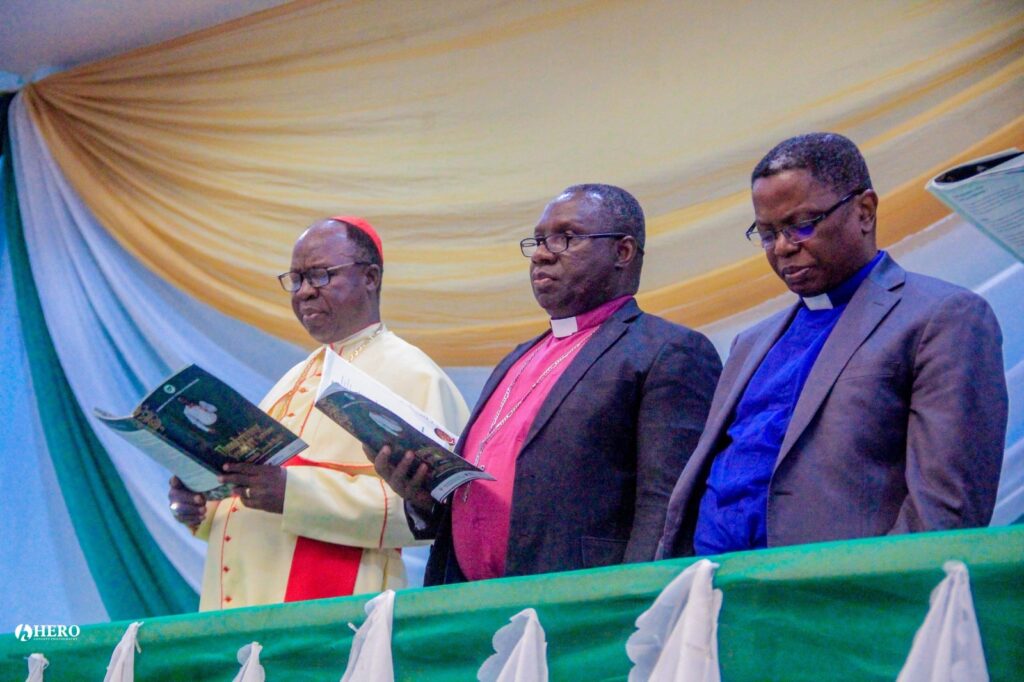
He said attempts at unionism or one-ism forming one organic, indivisible African church failed in both Southern and Northern Nigeria due to mission differences and primordial factors. What succeeded, he said, was fellowship ecumenism, where churches come together on what they hold in common.
He traced that history from the Conference of Missions in Northern Nigeria in the 1910s, the Christian Council of Nigeria formed in 1929 by Anglicans, Methodists, Presbyterians and Baptists, the Annual Meeting of Representatives of Missions in the 1940s, the Council of Evangelical Churches of Northern Nigeria, and the Northern Christian Association formed in Kaduna on April 11, 1964.
The NCA, he explained, became inactive after the fall of the First Republic in 1966 and the civil war, but its spirit was revived when Sharia was introduced into constitutional debates in 1975-76, leading to CAN’s formation.
However, Turaki argued that the deepest foundation of unity is not structural but theological, rooted in the Triune God.
Using Genesis 1:24-26, he said diversity is a good creational principle placed under law and order that should lead to harmony and peace.
Citing Genesis 11:1-9, the Tower of Babel, he said sin corrupted that diversity into multiple languages, tribes, ethnicities and idolatry, breeding division.
Christ, he said, quoting Ephesians 2:11-22, destroyed the dividing wall of hostility to create one new humanity, the Body of Christ. In John 17, Jesus prayed that believers may be one as the Father and Son are one, so that the world may believe.
He lamented that the Nigerian Church, while vibrant and growing, is plagued by divisions, competition and dominance by ethnic and regional sentiments, with what he described as scandalous activities and strange doctrines bringing disrepute.
Prof. Turaki linked this to four missionary legacies, in his assessment: European cultural baggage in church structures; authoritarian and bureaucratic leadership, especially in some Pentecostal and Charismatic circles; capital-intensive missions that bred dependency and later provoked prosperity gospel extremes; and the lack of a united Christian philosophy for education, health and media after the government takeover of mission schools and hospitals.
He recalled that CAN leadership in the 1980s asked him to draft a minimum code of conduct for churches to moderate activities, but the proposal was rejected on grounds of denominational independence.
Turaki listed urgent needs for CAN at 50 to include building partnership and networking, pulling down walls of division, pursuing reconciliation where rivalry exists, practicing generosity and hospitality, confronting the gospel of violence with the gospel of peace especially in Northern Nigeria, forging stronger ties between Southern Christians and Northern Christians facing threats to survival, and standing against discrimination and persecution on grounds of ethnicity, religion or region.
“The Church is both a movement and an institution, both divine and human, both universal and local. Its essence is derived not from visible forms but from the divine,” he said.
He concluded that at 50, CAN must move beyond political reaction to Islam to authentic theological partnership.
“In 1976 we said never again shall we speak in 20 voices. At 50, we must say never again shall we live as 20 divided peoples,” he said.

 20





Post Comment