How One Christian Farmer Built a Family from the Ashes of Plateau’s Attacks
By Ralph Madugu
The register on Gastor Barrie’s desk should not exist. It began in 2017 with 18 names of widows who had just buried their husbands after armed attackers raided their villages in the middle of the night.
Barrie’s register now contains 547 names. Some have been crossed out because some of the women have died, while others have remarried. At the last count, 483 names remained active on the register. Each name is a widow, and attached to those names are more than 1,800 orphans, according to Barrie.
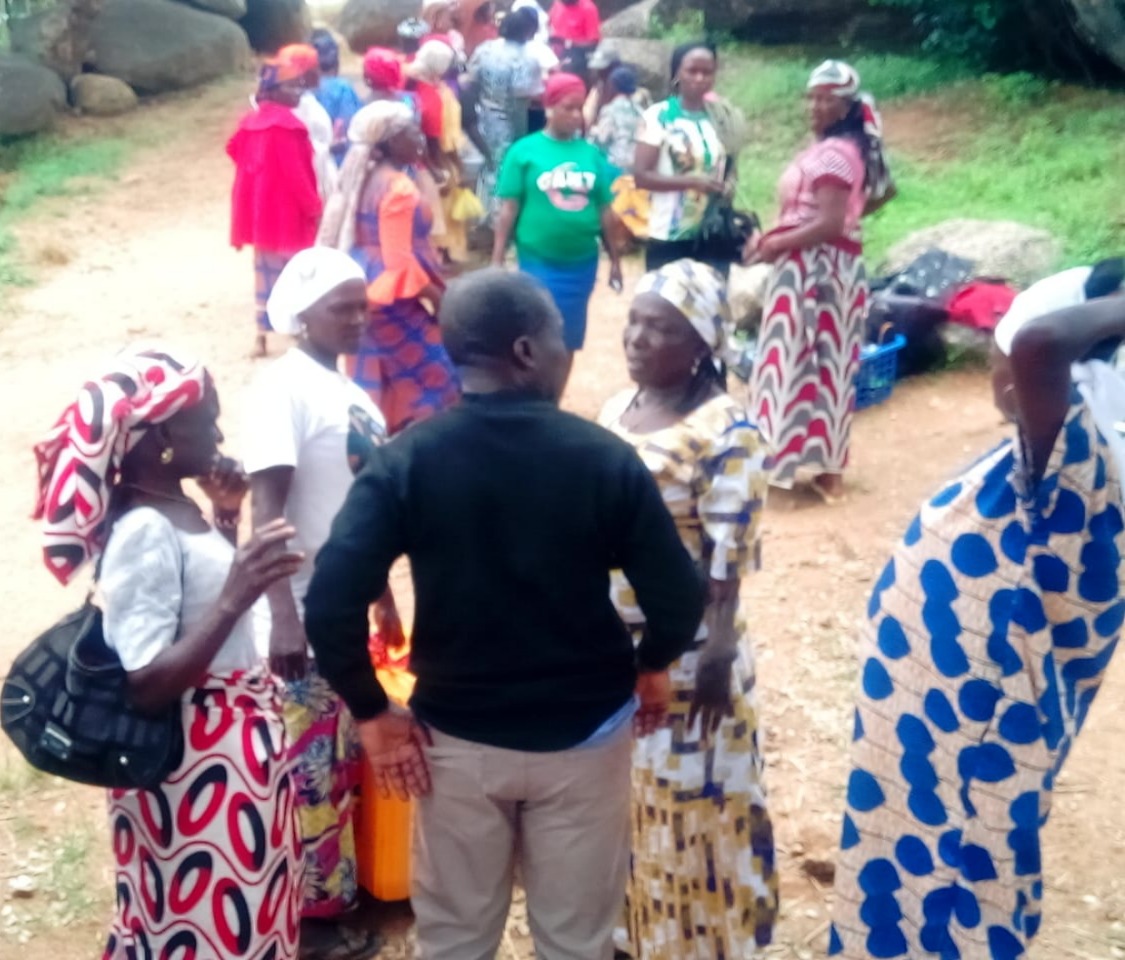
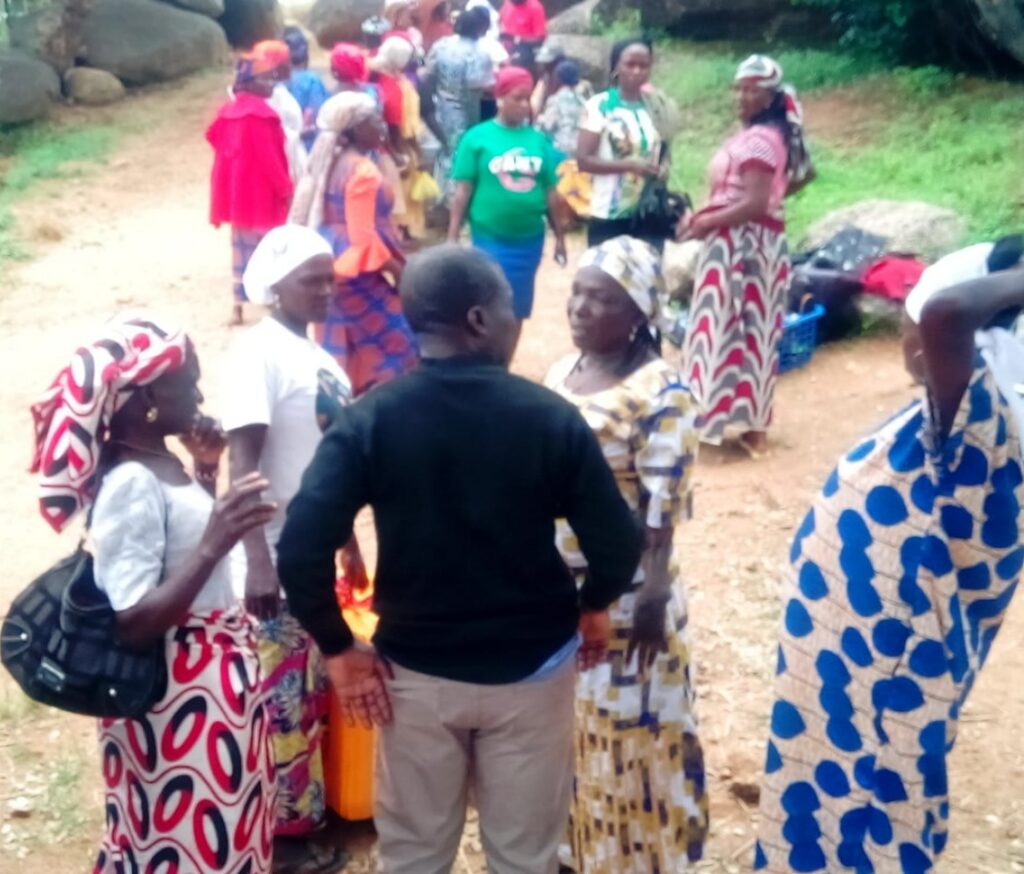
In Miango, a farming community 24 kilometres west of Jos, in Bassa Local Government Area of Plateau State, North-central Nigeria, Barrie is simply referred to by the widows as “Baba”, meaning father.
By training, Gastor is an agriculturist. By circumstance, he has become a father to hundreds of women who were pushed into widowhood not by natural causes, but by protracted attacks on communities in the area.
“It started at 2 a.m. on October 14, 2017. We were woken by noises and realised that the Taa’gbe community was under attack, and by morning, many people had fled to the main town. That night was the beginning of a count that never stopped,” he recalls.
“In 2017, only eight communities were attacked. By 2021, there were 44. In all, 87 communities have come under attack. The total number of incidents recorded stands at 2,135,” he says.
According to Barrie, 14 villages remain completely deserted. It was in that year of the first attacks that Barrie registered what he thought would be an agriculture-for-evangelism non-governmental organisation, the Rural Youth Integral Support Initiative. The mission changed within months.
“I noticed that widows who were benefiting from intervention programmes were not really benefiting. A lot of them were passing through very difficult times,” Barrie says.
The vulnerability of the widows, he says, went beyond grief.
According to him, some were evicted from their late husbands’ homes, denied access to farmlands, unable to pay medical bills or school fees, and stigmatised as if their husbands must have done something to deserve death.
One woman has never left Barrie’s mind Lisa Bono, 48, from the Taa’gbe community, was five months pregnant when attackers raided their community, according to Barrie.
Her husband and two of her children were killed. She was macheted and left for dead in the bush. Lisa ran, bleeding, through the night, spent months in hospital, and delivered safely. Her son is now eight years old.
“Because her family’s house was burnt, I took her in, and she stayed with us for some time. Now we have been able to build a place for her. I have enrolled him in primary school,” Barrie says.
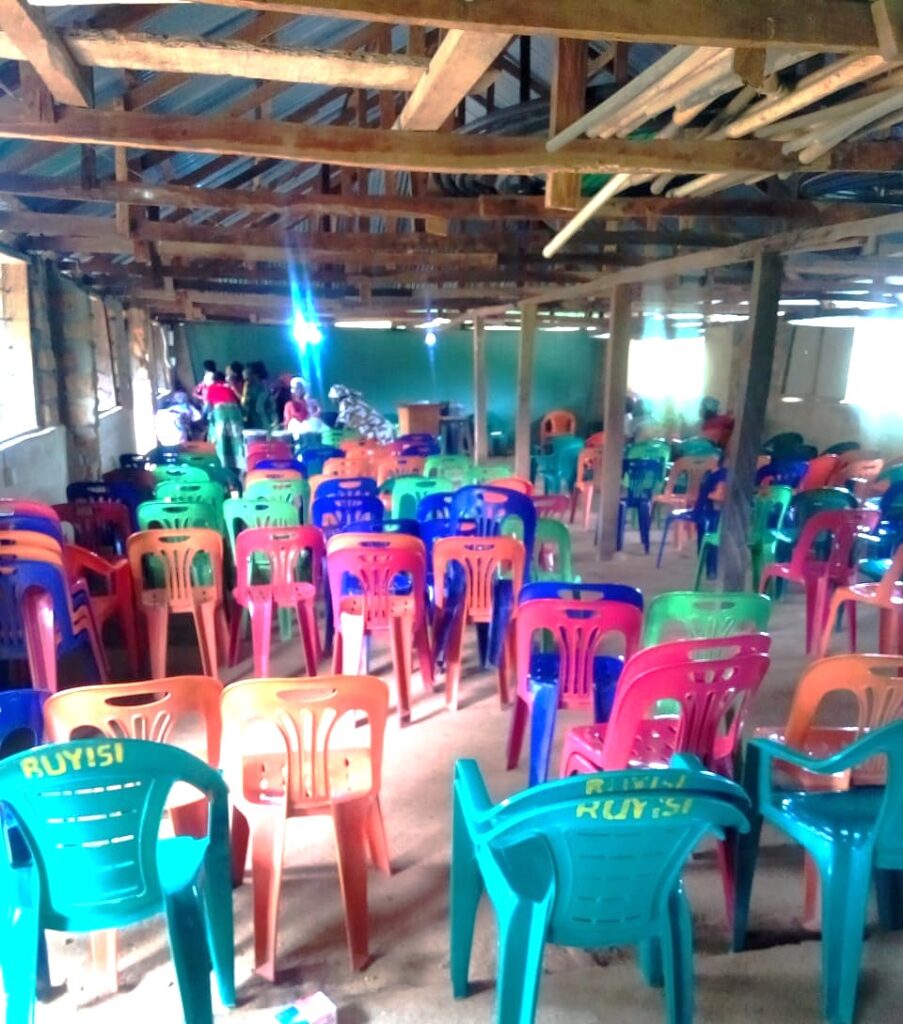
That model-housing, trauma healing, then economic independence, became his ministry’s blueprint. Every 15th day of the month, the widows gather for scripture-based counselling and psychological support. In 2021, more than 200 of them cultivated four hectares of land, planted rice, soybeans and maize, and shared the harvest.
For the children, Gastor Barrie organises what he calls “Orphan Summits”, where doctors, teachers and pastors mentor them on careers and life beyond loss. It is work sustained by faith and fatigue.
In the early years, Barrie says, more than 90 percent of all support came from churches.
Government assistance, according to him, has improved in the last three years, but as attacks have spread to other parts of Plateau and Benue states, donor attention has shifted. He says much of the food and school fees now come from his personal income. Yet the community has remained resilient despite the attacks.
“Initially, when attacks happened, people ran away. But at a point we said to ourselves, this land belongs to us. As Christians, we must stand. The Bible talks about persecution. It has served to strengthen our faith,” he says.
Nearly 20 church denominations in Bassa now work together through his network.
Forgiveness is part of Barrie’s curriculum, through which widows are taught to forgive those who attacked them and to see widowhood itself as a ministry.
His inspiration, according to him, comes from two places in the Bible: Acts 13:36, where David served his purpose in his generation before he died, and the prophets Elijah and Elisha, who were sent to widows.
His next focus is the children, whom he calls the “Jephthah Generation”, after the biblical Jephthah, who was rejected by his brothers but later became a leader.
“Among these orphans, there is Jephthah. There are those God intends to use to change our narrative, to become great instruments in His hands,” he says.
Standing in Miango, surrounded by women who have lost everything and children who never knew their fathers, Barrie has a blunt message for those watching from afar.
“I desire that the international community come to understand that the situation on the ground is real. A lot of times, because they don’t make headlines out there, they may not be aware. I want the world to know that persecution against Christians is injustice. There is impunity. I want the global church to speak on behalf of the church in Nigeria. Because keeping silent will not work out well for the church,” he says.

 20





Post Comment