MSF Warns Diphtheria Antitoxin Shortage, Low Vaccination Putting Thousands of Children at Risk in Northern Nigeria

Our Correspondent
Médecins Sans Frontières (MSF) has warned that shortages of diphtheria antitoxin (DAT) and low immunisation coverage are fuelling transmission and undermining efforts to control the diphtheria outbreak in northern Nigeria, putting thousands of children at risk of severe illness and death.
In a statement issued on November 13, 2026, MSF urged federal and state authorities, donors and international partners to urgently secure existing supplies of DAT, vaccines and other essential medicines, and to ensure their timely clearance at ports of entry and rapid distribution across affected areas.
“The global shortage of diphtheria antitoxin is becoming a matter of life and death. Our stocks are dangerously low, and we risk being unable to treat children and save lives as the outbreak continues,” said Dr David Kizito, MSF Medical Coordinator in Nigeria.
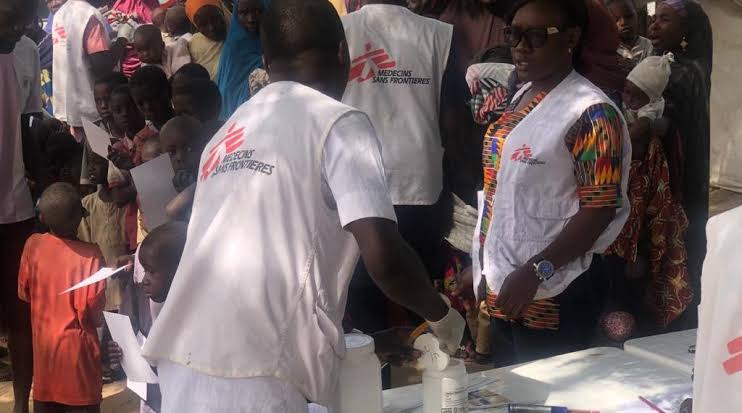
“Diphtheria is a preventable disease, yet children continue to arrive at health facilities with life-threatening complications because they are not fully vaccinated or cannot access care in time,” he added.
DAT is the only specific treatment that neutralises the toxin produced by the disease. It is included in the World Health Organization Model List of Essential Medicines.
MSF said DAT is most effective when administered within 48 hours of symptom onset, but stocks are often insufficient or unavailable, forcing medical teams to ration treatment.
Nigeria has faced a major diphtheria outbreak since late 2022. Since the outbreak began, the country has recorded over 41,000 suspected cases, more than 24,000 confirmed infections and over 1,260 deaths nationwide.
Northern states including Bauchi, Borno, Kaduna, Katsina, Kano, Plateau, Sokoto and Zamfara remain particularly affected. In 2026 alone, as of August 9, Nigeria recorded 12,977 suspected cases, 10,476 confirmed infections and 406 deaths.
MSF said it has treated over 9,000 diphtheria patients since the start of its response this year through facility and community-based care.
In Kano, MSF in partnership with the State Ministry of Health supported a two-round vaccination campaign in April and June, administering more than 835,000 vaccine doses to children.
In Sokoto, MSF supported two vaccination rounds between February and April, reaching 49,018 children under 15 years.
In Sokoto State, MSF has supported the Infectious Disease Hospital in Amanawa and the Specialist Hospital, where 6,018 diphtheria patients have been treated since the beginning of the year.
Following Zamfara State’s outbreak declaration in September, MSF-supported facilities in Gusau recorded over 671 admissions in a month from October 6.
Most of those admitted were children, and four out of every five patients had not been vaccinated.
MSF said only 25,000 of the 90,000 vaccine doses needed for a reactive campaign in Zamfara have been supplied, leaving around three out of four children unreached.
In Zamfara, MSF-supported facilities in Gummi, Talata Mafara, Shinkafi and Zurmi have treated 1,054 patients since January 2026.
In Bauchi, MSF helped reduce the diphtheria case fatality rate from 8.7 percent to 1 percent by treating at least 1,890 suspected patients between August 2025 and May 2026.
In Katsina, between October 26 and November 12, 2026, MSF teams managed 86 diphtheria cases, including 70 severe and 16 non-severe cases.
In the same period, 1,315 contacts were reached, with 1,301 vaccinated and 1,311 given antibiotic prophylaxis.
MSF said sustained investment in routine immunisation is needed to build community immunity and prevent future outbreaks, while manufacturers and global health partners must urgently expand production of DAT and ensure reliable supply.

 20










Post Comment