Ramadan School Closures: Nations Where Islam is Central and Ramadan is Deeply Revered Do Not Shut Down Schools-CAN
The Christian Association of Nigeria (CAN) has criticized the closure of schools in some northern states for Ramadan, describing it as “excessive” and contrary to sensible precedent.
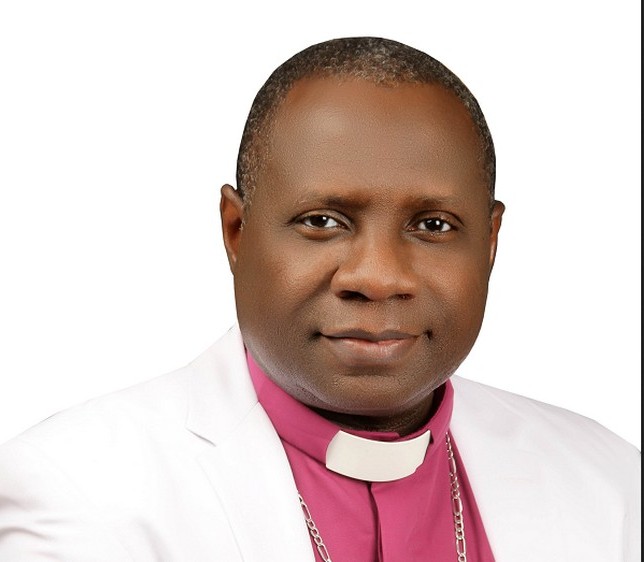
In a statement titled “Ramadan School Closure: CAN Urges Fair Balance,” signed by National President, Archbishop Daniel Okoh, the Christian body noted that countries like Saudi Arabia and the United Arab Emirates, where Islam is central and Ramadan is deeply revered, do not close schools for the entire fasting period. Instead, they adjust schedules by shortening hours or providing flexibility to balance education with religious practices.
CAN added that if these Islamic heartlands can maintain such a balance, Nigeria’s northern states should strive for similar pragmatism.
They emphasized that a month-long closure, or five weeks in the case of Bauchi, is “excessive and departs from sensible precedent.”
The association expressed concerns regarding the directives from the governments of Bauchi, Katsina, Kano, and Kebbi states, mandating the closure of both public and private schools for up to five weeks during Ramadan.
While recognizing the religious diversity of the nation and the importance of faith, CAN said that these decisions pose serious issues of equity, educational continuity, and the welfare of all citizens, irrespective of their religious beliefs.
Acknowledging education as a “fundamental right and the bedrock of progress,” CAN warned that extended school closures disrupt academic schedules and threaten the educational advancement of millions of students.
It stated that a recent data indicates that the affected states already have an alarming rate of out-of-school children, averaging 44 percent, which far exceeds the national average.
“Such prolonged breaks risk worsening this crisis and undermining efforts to provide quality education for all.”
The Christian body pointed out that the apparent lack of broad consultation in deciding these closures is concerning adding that the CAN leadership in Bauchi, Katsina, Kano, and Kebbi was not adequately engaged, despite claims of involving stakeholders.
“Policies that affect diverse populations—Muslims, Christians, and others—must be developed through transparent, inclusive dialogue with parents, educators, religious leaders, and school proprietors. The absence of such engagement damages trust and unity in our pluralistic society.
“Globally, nations like Saudi Arabia and the United Arab Emirates do not close schools for the entirety of Ramadan; they adapt schedules to maintain a balance. If these countries can achieve this equilibrium, Nigeria’s northern states should seek to do the same. A month-long closure, or five weeks in Bauchi, is excessive and does not follow reasonable precedent.”
While urging those in the affected states to remain calm and peaceful, CAN reaffirmed its dedication to promoting harmony across faiths and called on its members and the public to avoid actions that could increase tensions.
CAN emphasized that it cannot overlook the potential violation of the rights of students and families who do not observe Ramadan, nor the troubling signal this sends regarding equitable governance.
It urged the state governors to open channels of dialogue with key stakeholders to reassess these directives and explore inclusive solutions.
“Transparency is essential, and we expect these governments to act in good faith by promptly engaging all parties involved. The education of our children and the unity of our states are at stake.
“Should these rights be further jeopardized or if dialogue fails to produce justice, CAN is prepared to seek legal recourse. We will pursue restraining orders through the courts to protect constitutional rights to education and freedom of conscience. Our commitment to peace does not lessen our dedication to justice.
“Let us unite as Nigerians to create a society where faith and progress coexist harmoniously, where no child’s education is compromised, and where every community is acknowledged. We urge the governors to reconsider these policies in the spirit of fairness and national cohesion.”

 20
20









Post Comment