NIREC Warns Against Use of Pulpit for Politics
…Unveils Anti-Corruption Manuals for Churches and Mosques
Our Correspondent
The Nigeria Inter-Religious Council (NIREC) has cautioned religious leaders against using their sacred platforms for political campaigns and divisive rhetoric as the country approaches the 2027 general elections.
The warning was contained in a communiqué issued at the end of its Second Triannual Meeting held recently in Abuja. The communiqué was signed by the Sultan of Sokoto, the CAN President and the Executive Secretary.
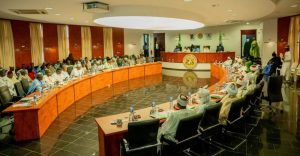
The meeting, themed “Shared Sacred Flourishing in Nigeria,” was presided over by the Co-chairmen, the Sultan of Sokoto and President-General of the Nigerian Supreme Council for Islamic Affairs (NSCIA), Alhaji Muhammad Sa’ad Abubakar, and the President of the Christian Association of Nigeria (CAN), Most Rev. Dr. Daniel Okoh.
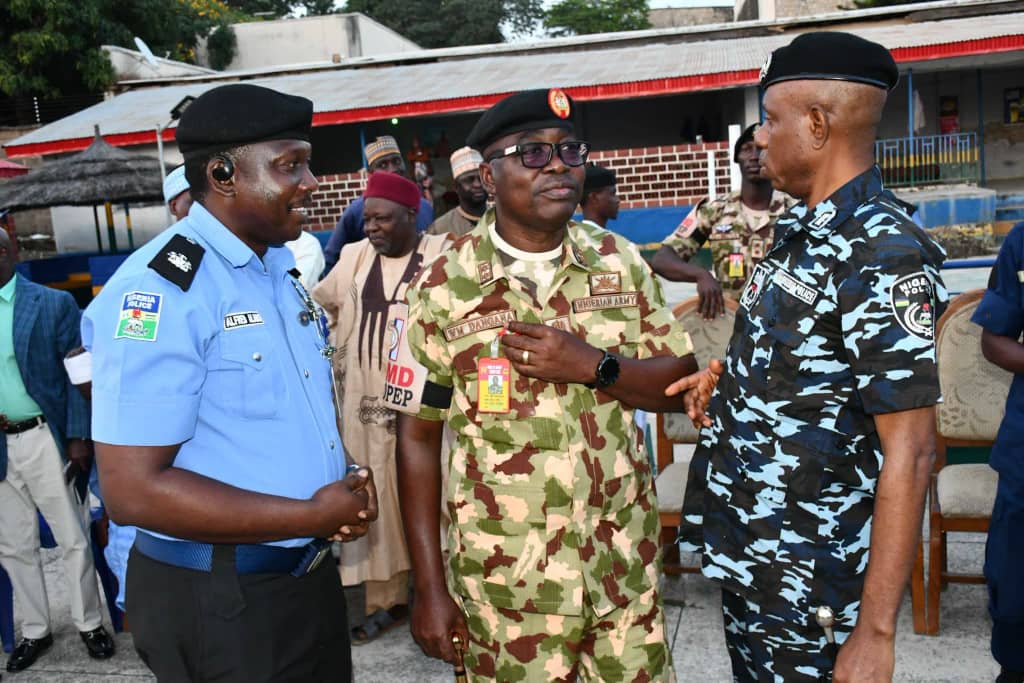
Declaring the meeting open, the Secretary to the Government of the Federation, Senator Dr. George Akume, urged clerics to refrain from inflammatory preaching and to mobilise their followers for peaceful, credible elections.
The opening ceremony was attended by the Permanent Secretary, General Services, OSGF, Dr. Ibrahim Kana; Executive Chairman of the EFCC, Mr. Ola Olukoyede; representatives of the Inspector General of Police and the European Commission; traditional rulers and other religious leaders.
In their separate remarks, the Co-chairmen and the Executive Secretary of NIREC, Rev. Fr. Prof. Cornelius Afebu Omonokhua, said the sanctity of human life remains sacrosanct and stressed that shared flourishing can only be achieved when Nigerians uphold unity in diversity.
A major highlight was the presentation of Anti-Corruption Preaching and Teaching Manuals for Muslims and Christians, produced by the Interfaith Anti-Corruption Advisory Committee (IAAC) of the EFCC. The manuals were presented by Prof. Emeritus Is-haq Oloyede, supported by Archbishop John Praise. EFCC Chairman, Mr. Olukoyede, also delivered the lead paper on the theme of the meeting.
After plenary and closed-door sessions, the Council made far-reaching resolutions.
It stated that no nation can flourish amid corruption at all levels and condemned what it described as “accidental Pastors and Imams” who mislead followers and overheat the polity with hate speech and fiery statements.
NIREC declared that it would not be partisan and would not support one political party against another. It warned clerics to desist from what it called priest-craft and religious corruption, describing it as evil as witchcraft, and urged them to stop shielding corrupt individuals regardless of political, religious or social status.
The Council also frowned at the diversion of stolen public funds to religious purposes, including donations to places of worship and sponsorship of pilgrimages, noting that such acts contradict the teachings of both Islam and Christianity.
Adopting the new manuals for nationwide distribution to faith leaders, the Council commended the EFCC for shifting its anti-corruption approach from arrest and prosecution to prevention through character formation in homes, schools and worship centres.
On the state of the nation, NIREC called on government and citizens to tackle impunity, lack of accountability and insecurity, noting that insecurity remains a major concern despite efforts by government and security agencies. It charged religious and traditional leaders to condemn banditry and terrorism without ethnic or religious bias, stressing that security is a collective responsibility.
It further resolved that politics belongs to the ballot and not to the altar or pulpit, and urged faith leaders to support peace caravans, mobilise youths and women as peace advocates and counter misinformation on social media.
It warned Nigerians, especially youths, against being used for electoral violence in 2027 and called on clerics to join voter education and good governance campaigns.
Other resolutions included appeals to government to create a conducive environment for professionals to curb brain drain, particularly in the health sector, to put price control mechanisms in place to check exploitation by unpatriotic traders, and to work with NIREC on curriculum review, functional education and national development.
The Council expressed appreciation to the Federal Government under President Bola Ahmed Tinubu for supporting the meeting, thanked the SGF, the EFCC Chairman, the Inspector General of Police and the European Commission for their participation, and commended members, including the Youth Wing and the Women of Faith Network.
It also specially thanked the outgoing Executive Secretary, Rev. Fr. Prof. Omonokhua, for his eight years of service and welcomed the incoming Executive Secretary, Prof. Muibi Omolayo Opeloye, a specialist in interfaith dialogue and former Commissioner in Osun State, who assumes office on October 2, 2026.

 20






Post Comment