Survivors Recounts How Kidnappers Use Torture to Trap Victims for Months
Our Correspondent
Five months or more is how long some Nigerians have remained in bush camps after being kidnapped, not just because of distance, but because their captors deliberately destroy their ability to walk, see, and hope. Survivor testimonies gathered by this medium reveal a disturbing pattern. Bandit groups are using systematic torture as a method of control to prevent escape while holding victims for ransom.
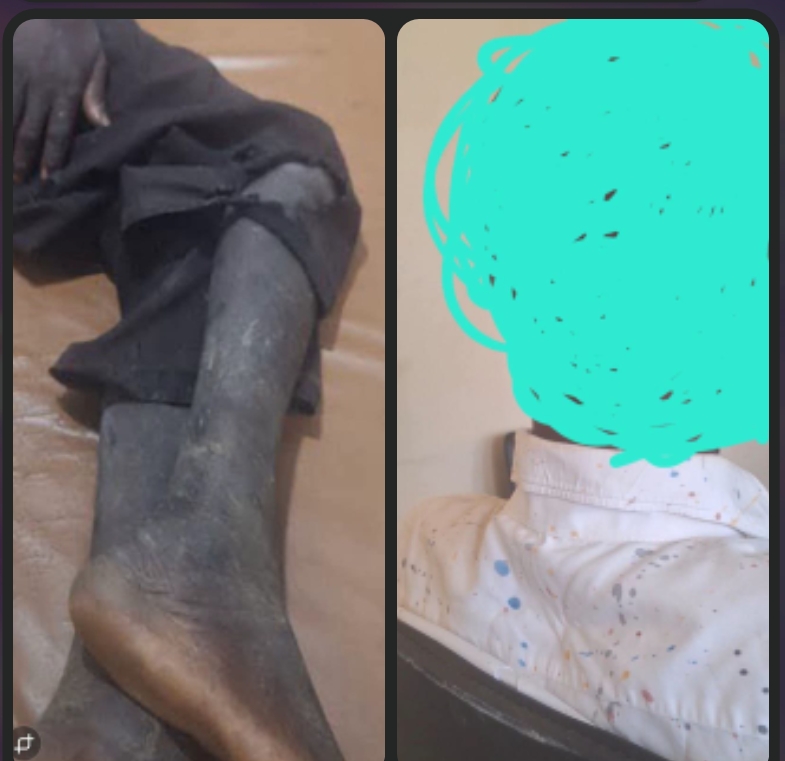
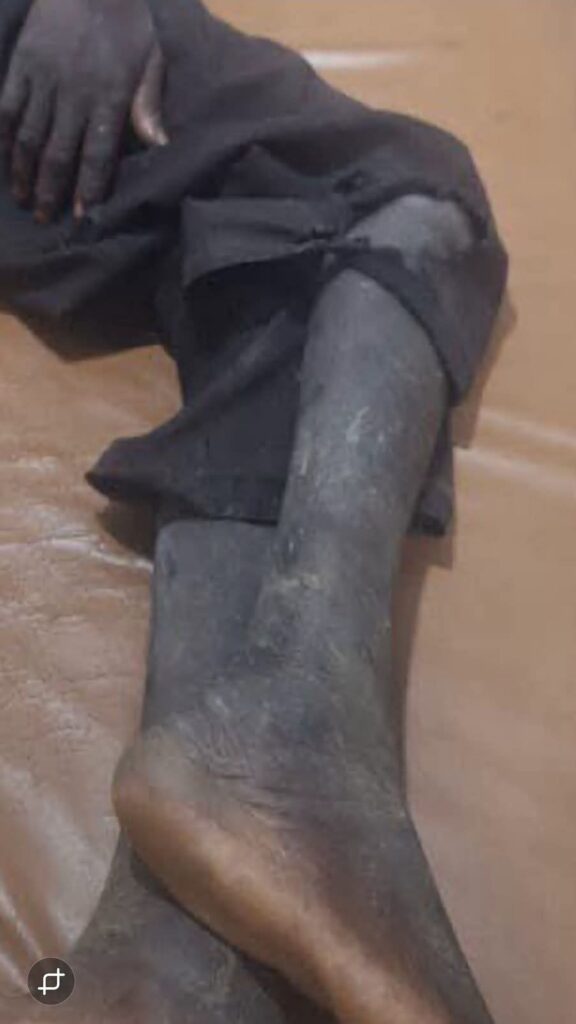
According to those who have escaped or been released, the abuse often begins from the point of abduction. Victims are forced to walk barefoot into the forest. By the time they reach camp, their feet are cut and infected. Some return home requiring surgery and skin grafts.
In other cases, captors go further to crush the victims’ ankles with stones or shoot them to make movement nearly impossible.
“They want you weak from day one. If your feet are gone, where will you run to?” one survivour said.
Inside the camps, survivours describe how terror is used to maintain control. One person is often shot in front of others, and the body is left in view for days as a warning to anyone considering escape. Some victims are also tied with bicycle chains that cut into the skin, and food is rationed to the barest minimum. Many are left emaciated and too weak to flee even when opportunities arise. Able-bodied men are forced to stare at the sun for hours without blinking, and families are separated with threats that wives will be harmed if husbands try to escape. If one person runs, everyone left behind is beaten.
Advocates call this “captivity by injury”; victims are kept alive but physically and mentally broken
Human rights organizations say these accounts show that kidnapping has moved beyond ransom to include crimes against humanity. They are demanding immediate rescue operations targeted at known forest enclaves in the North-West and North-Central states, free medical and psychosocial care for all freed victims, including treatment for foot injuries, malnutrition, and trauma, protection for families of victims to prevent retaliation, and the investigation and prosecution of those financing and supplying kidnapping networks.
“The Nigerian Constitution says the security and welfare of the people is the primary purpose of government. Right now, scores of citizens are living in conditions that violate their right to life, dignity, and freedom,” a rights advocate who would not want his name mentioned said.
In Kaduna State, for instance, medical practitioners have reportedly treated returnees for infected wounds, vision problems, and severe malnutrition.
Psychologists say many suffer post-traumatic stress disorder (PTSD), guilt, and fear of reintegration.
The survivours who shared their stories asked not to be named; their message was clear: “Tell the world what is happening in the bush so that government and communities act before more people disappear. They broke our bodies to keep us. We are speaking so that others will not be broken,” another survivour said.
This story is published in the public interest to advocate for the rights, safety, and dignity of victims of kidnapping in Nigeria. Names have been withheld to protect survivours.

 20
20









Post Comment