U.S. Christian Broadcasters Oppose Nigeria’s Foreign Aid Law, Cite Threat to NGOs, Religious Freedom

Our Correspondent
The National Religious Broadcasters, NRB, has joined a coalition opposing new legislation in Nigeria that places all foreign funds entering the country under government control.
NRB, a nonpartisan, international association of Christian communicators whose member organizations represent millions of listeners, viewers and readers, said on October 8, 2026, that it signed two letters against the law over risks to Christian and humanitarian organizations.
The association, which describes itself as a network of communicators committed to spreading the Gospel of Jesus Christ through every electronic medium, said it works to protect the free-speech rights of its members through advocacy in governmental, corporate and media sectors.
According to NRB, one letter was addressed to the U.S. Commission on International Religious Freedom and officials in Congress and the Trump Administration, urging the U.S. government to take the damage to religious freedom seriously.
The second was addressed to the President of the Nigerian Senate and other Nigerian officials, outlining concerns and requesting specific revisions to the law.
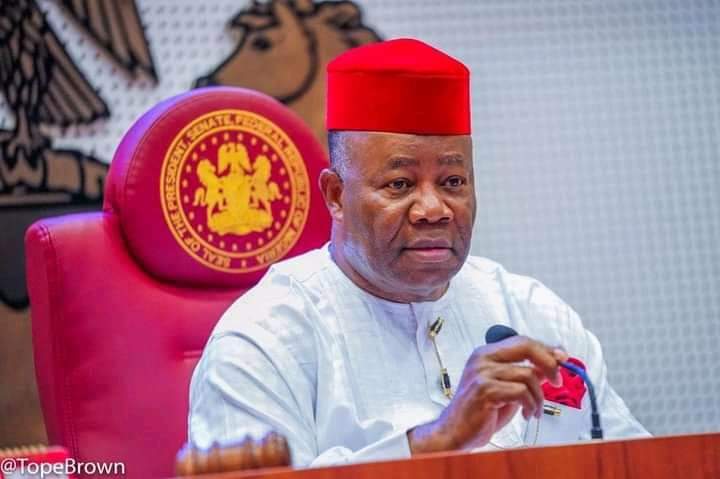
At issue is a bill establishing a Foreign Aid Regulatory Commission, FARC, empowered to monitor, audit and shut down organizations that receive foreign funds. The law covers all foreign inflows, including grants, technical assistance and humanitarian support to public and private entities.
Critics say the requirement to register incoming funds within 30 days could hamper rapid response teams and compromise sensitive information of victims of rights abuses.
The legislation also mandates that foreign-funded activities “align” with national priorities – a vague standard that opponents warn could allow government disruption of private humanitarian work for arbitrary or hostile purposes.
NRB said stateside donors risk having their money seized en route to philanthropic organizations and repurposed to advance national agendas, a change that could further limit the ability of humanitarian groups to protect Christian communities amid rising persecution.

More than 4,200 Christians have been killed in Nigeria this year and millions more displaced, the group said, with most of the persecution traced to organized Islamic militant activities linked to a larger ideological and territorial conflict.
It added that the Nigerian government has continually failed to halt the violence. While President Bola Ahmed Tinubu promised to deploy armed and police forces to the Middle Belt, local authorities say national reinforcements never engaged to protect communities, leaving Christians vulnerable.
NRB noted that the U.S. has taken steps, including refusing visas to individuals who support or participate in violations of religious freedom, while the House has passed a bill proposing to cut aid to Nigeria by 50 percent until appropriate steps are taken to prevent violence.

 20





Post Comment