In Rural Nigeria, One Man’s Private School Keeps Education Within Reach
By Ardi Tarle Diyen
In this farming community on Nigeria’s central Plateau, secondary school used to be a test of endurance before classes even began.
For years, children in Sihin in Pankshin LGA had to walk miles each morning to reach the nearest secondary schools in neighbouring villages—Kagu, Katul, Jibam, and others — a daily trek that pushed many, especially girls, to drop out.
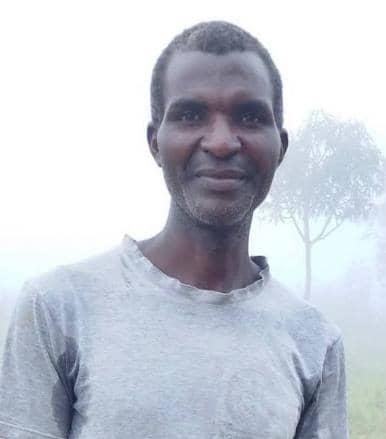
In 2013, a young college graduate decided to change that. Kilingshak Dapar Betle, who had just completed his Nigeria Certificate in Education (NCE, could have left for a teaching job in the city. Instead, he opened a secondary school in his own village.
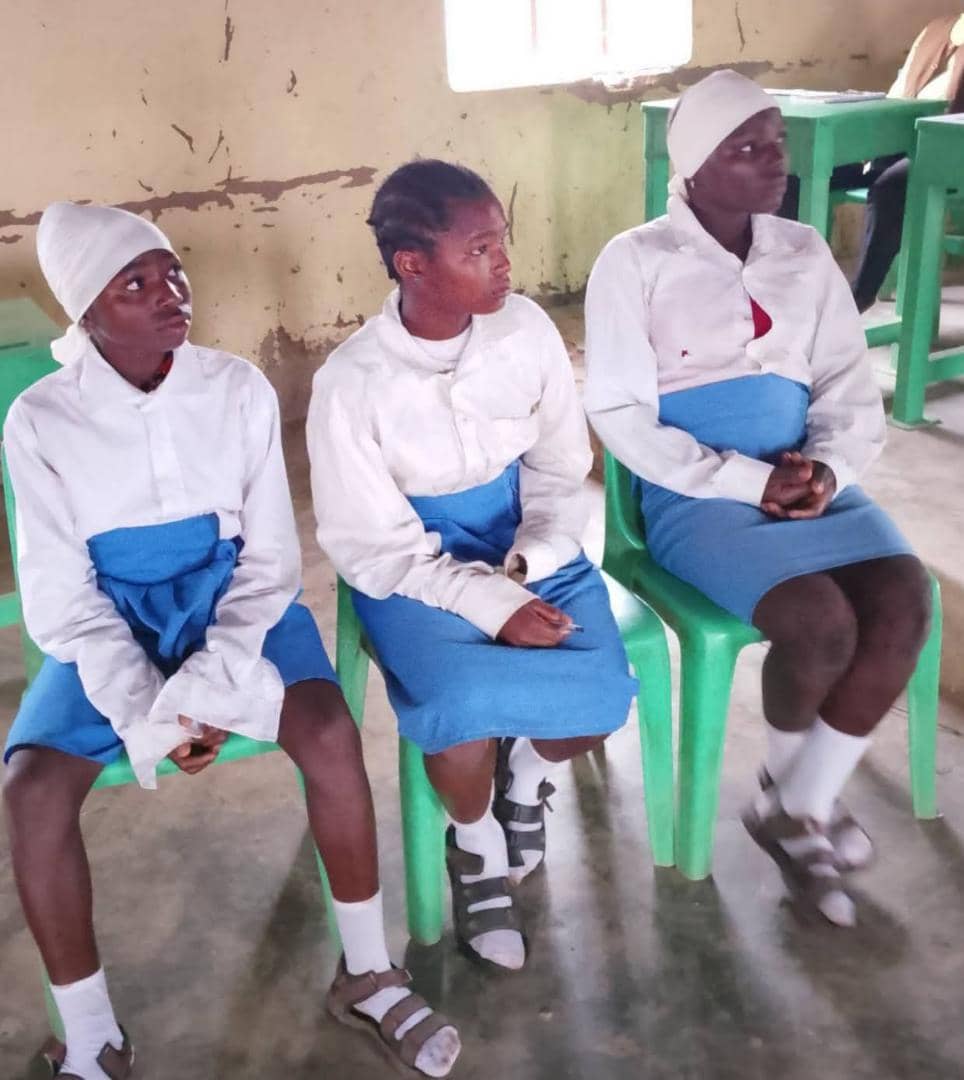
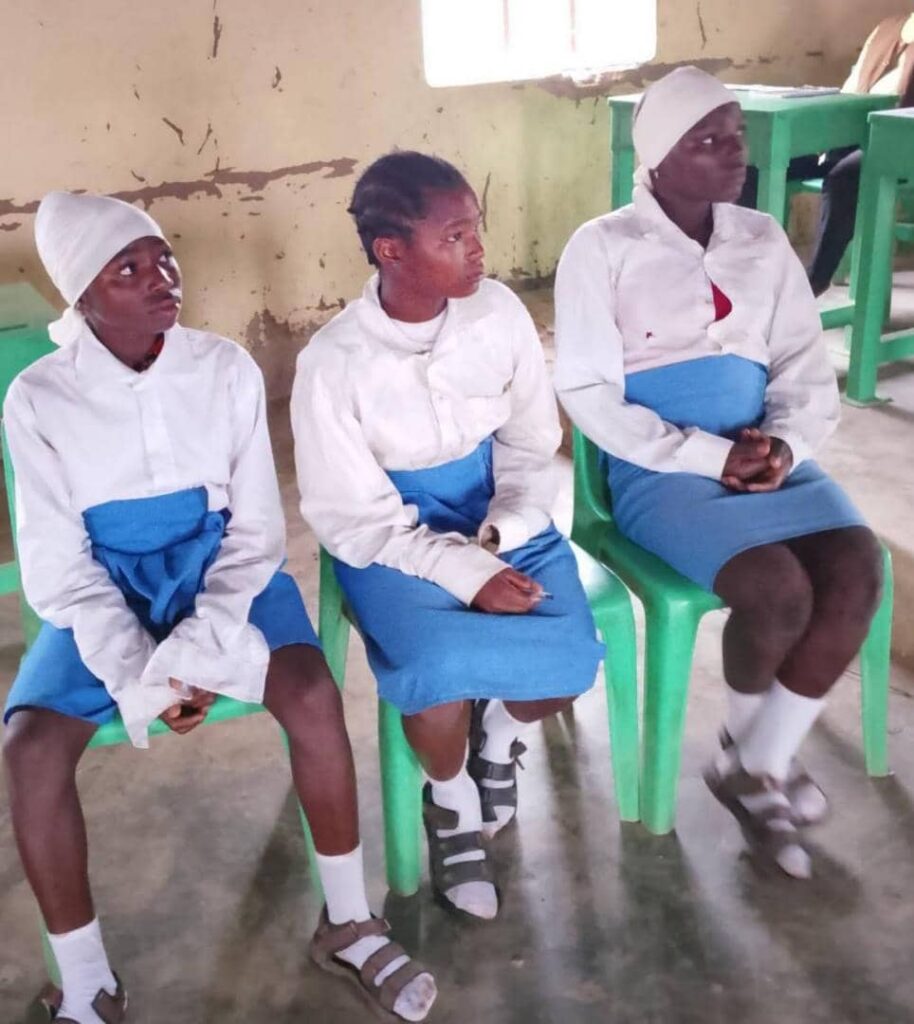
Satzen International College started in September 2013 with two junior classes, meeting in the evening with few resources. Today it is the only secondary school in Sihin and a rare example of a rural, community-founded private school that has survived more than a decade in north-central Nigeria.
In this region, insecurity, poverty and teacher shortages have closed many similar schools.
“I speak from personal experience because I attended Government Secondary School, Kagu, and I understand what it meant to wake up early and trek to school. While others saw this challenge as an unfortunate reality, Mr. Betle saw an opportunity,” wrote Ardi Tarle Diyen, a native of the area who documented Betle’s story.
The early years were fragile. Under its first principal, the late Pius Yilyon Danung, the school’s students began winning local debate and quiz competitions. When Danung died, Betle quit his outside job and returned full-time to serve as both proprietor and principal, a dual role he still holds.
Keeping a low-fee private school afloat in rural Nigeria means improvising. At times, Betle has used income from his farm harvest to pay teachers and keep classrooms open, according to community members.
The school has since secured government approval as a center for Nigeria’s Basic Education Certificate Examination and the National Examination Council exams, so students no longer need to travel to other towns for national tests, a major barrier for poor families. Its graduates have gone on to study law, nursing, public administration and education, in a community where tertiary education was once rare.
Education access remains a major challenge in rural Nigeria. United Nations Educational, Scientific and Cultural Organization (UNESCO) estimates that Nigeria has one of the world’s largest out-of-school populations, with distance, cost and insecurity disproportionately affecting children in the north-central and northern regions.
Satzen’s story highlights a wider pattern: in the absence of new public schools, low-cost private initiatives founded by residents often fill the gap, but struggle for sustainability.
“Community development does not always begin with government intervention. Sometimes, it begins with one person,” Diyen wrote.
Community leaders now say the school needs broader support, scholarships for low-income students, textbooks, science equipment and teacher retention to survive beyond its founder’s personal sacrifice.
“His story deserves to be told. When one person sacrifices to educate a generation, the entire community stands to benefit,” Diyen said.

 20






Post Comment