PLATEAU’S BID TO BUILD AN ECONOMY BEYOND OIL AND AID
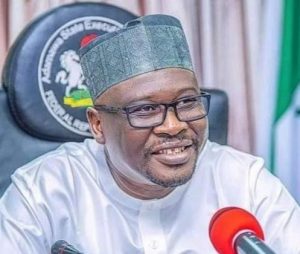
In Nigeria’s Middle Belt, Governor Caleb Mutfwang is wooing manufacturers and small businesses to turn farms into factories
Our Staff Reporter
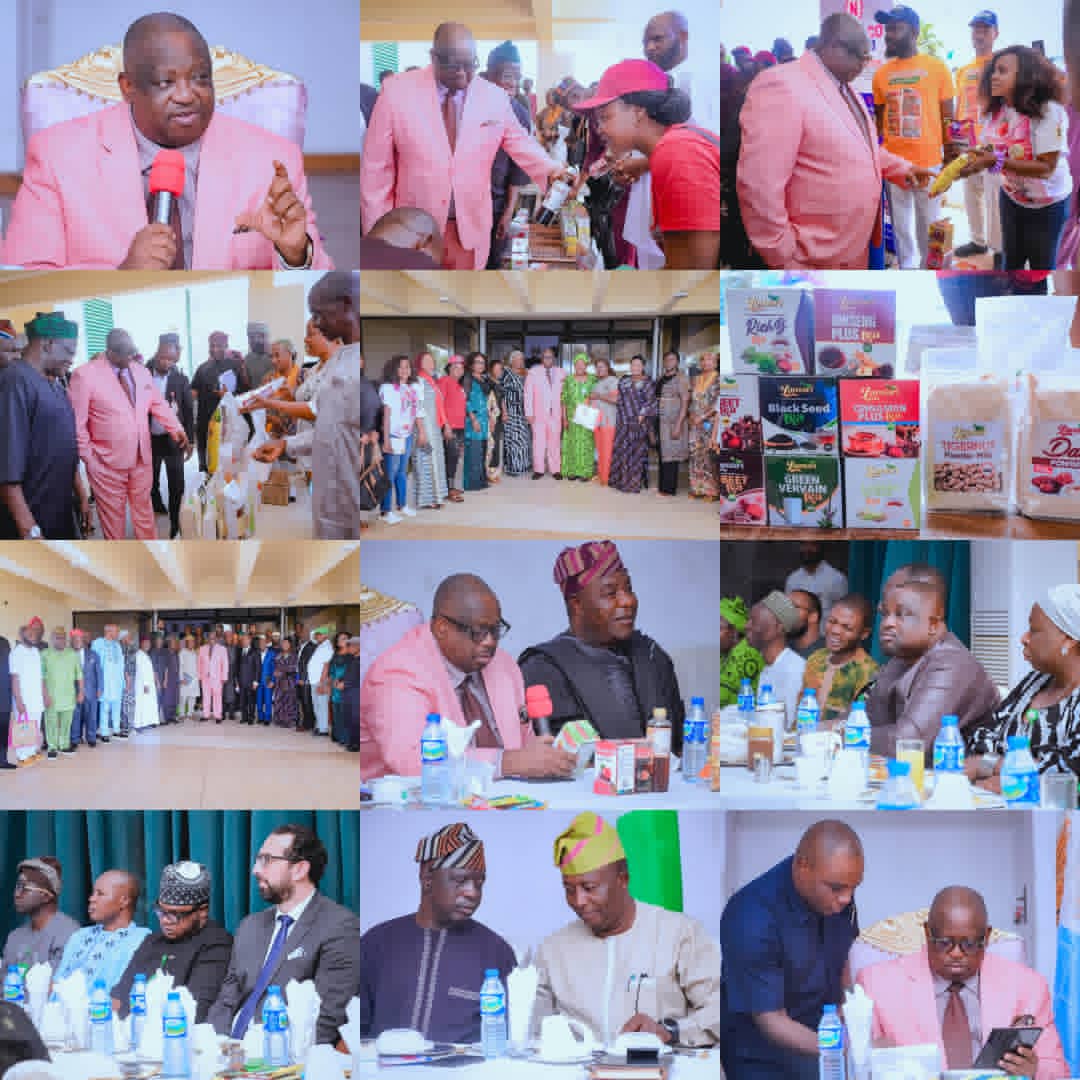
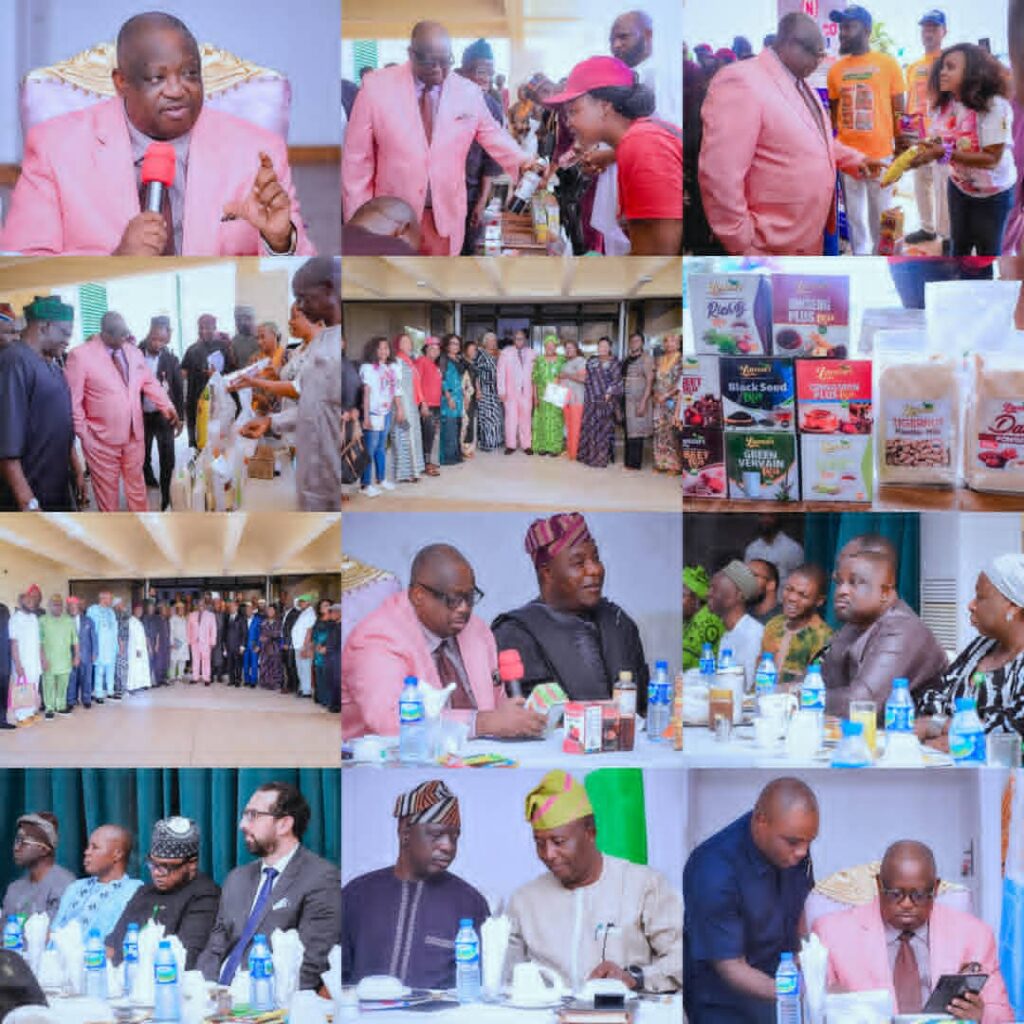
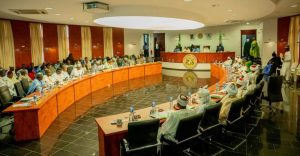
At 8 a.m. on a Thursday, July 16, the dining room of Plateau State’s Government House in Jos was filled not with politicians, but with bakers, beverage makers, cosmetic producers, and the owners of small metal workshops. They came with samples. The governor came with a pitch.
Over tea and pastries, Governor Caleb Manasseh Mutfwang told Nigeria’s manufacturers and MSMEs what he called the new deal for Plateau State: less dependence on federal money from Abuja, more dependence on what Plateau can grow, process, and sell.
“It takes courage to invest in an environment where the operating climate has not always been favourable,” he said to the room.
“Our commitment is to build a resilient and sustainable economy that is no longer dependent on federal allocations. The private sector remains the engine that will drive Plateau’s economic transformation.
“For an international audience, Plateau may be best known for two things: its cool highland climate, and years of communal violence that made headlines. Now, the state government is trying to add a third: industrialization.
The centrepiece of the plan is agriculture, but not agriculture as charity. As agribusiness. Mutfwang laid out a vision that starts on the farm and ends on an export container. Potatoes, livestock, coffee, acha, horticulture. The goal is to capture every step: feedlots, dairy, cold-chain storage, processing, packaging, transport, and export.
“We are not merely investing in agriculture; we are unlocking complete value chains,” he said.
“As incomes rise, purchasing power increases, businesses expand, and the economy grows.”
Mutfwang acknowledged the limits of government. “We are building an economy that is resilient, sustainable, and driven by the private sector. Government does not have all the answers, and we remain open to constructive dialogue.”
That message matters in Nigeria, where businesses often cite erratic policy, poor power supply, and insecurity as barriers. Plateau’s own recent history makes the pitch harder and more urgent.
Some projects are already underway. The state is building what officials call West Africa’s largest Potato Tissue Culture Laboratory to produce disease-free seed. It is rehabilitating tractor fleets. An ultra-modern abattoir is under construction. Dairy programs are being rolled out. The idea is to make Plateau Nigeria’s hub for agricultural processing. It’s an ambitious pivot for a state whose budget has long relied on monthly transfers from Abuja.
With Nigeria’s federal government pushing states to generate more of their own revenue, Plateau is betting that factories, not handouts, will close the gap.
The breakfast was part dialogue, part sales pitch. It followed recent talks between Mutfwang and Nigeria’s Minister of Industry, Trade and Investment, Dr. Jumoke Oduwole.
The Commissioner for Commerce and Industry, Hon. Mohammed Nyalum, framed the meeting as the start of regular conversation, not a one-off event.
“Such dialogue remains essential for industrial growth, innovation, investment, and employment generation.
“We remain open to constructive dialogue and partnerships that will position Plateau as the economic powerhouse of Northern Nigeria,” he said.
Also in attendance were regulators, investors, and the Manufacturers Association of Nigeria, MAN.
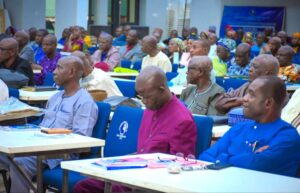
The business community was blunt about what it needs.Mr. Ajibola Kayode-Ojo, Chairman of Manufacturers Association of Nigeria (MAN) for the North-Central region, praised the direct engagement but called for concrete fixes, harmonize taxes to end multiple levies, invest in roads, electricity and telecoms, improve security, and buy more Nigerian-made goods. “Manufacturing is the backbone of industrial growth, innovation, and wealth creation,” he said.
He also invited the governor to lay the foundation for MAN’s permanent secretariat in Jos.
After the speeches, the governor walked the exhibition hall set up inside Government House. Tables displayed locally made food, drinks, cosmetics, and household products. It was a small showroom, but for the administration it was proof of concept.
The state says the goal is to support indigenous manufacturers, strengthen MSMEs, and create jobs that keep young people in Plateau instead of migrating to Lagos or abroad.
Beyond agriculture, the government is also pushing investment in roads, electricity, digital connectivity, tourism, and hospitality the basic infrastructure that determines whether a factory can run and a product can reach market.
The question for Plateau, and for many Nigerian states, is whether political will can translate into industrial output. The administration points to improved security coordination in the last 18 months as the foundation.
Investors point to infrastructure and predictable regulation as the next test. What was clear at the breakfast table is the framing: Plateau is no longer waiting. With federal allocations shrinking in real terms and Nigeria’s population growing, states are being forced to compete.
“We are building an economy that is resilient, sustainable, and driven by the private sector,” Mutfwang said.
For the bakers and beverage makers who packed their products that morning, the test will come after the plates are cleared in power bills, in road conditions, in whether government actually buys what is “Made in Plateau.”

 20
20



Post Comment